Have a question?

Denso Injectors
Genuine Denso Diesel Injectors for a Wide Range of Vehicles
Denso is one of the world's largest suppliers of original equipment fuel injection components, trusted by Toyota, Nissan, Mitsubishi, Isuzu, Hino, and more to fuel their engines straight from the factory floor.
As a Tier 1 supplier to Toyota, Honda, and Subaru, and a key OE supplier to many other manufacturers, Denso's position in the global fuel injection market is unmatched. At Bailey's Diesel Group, we've built our reputation on stocking the components that diesel owners and workshops can actually rely on, and Denso sits at the core of that. With more than 50 years in diesel combustion efficiency, Bailey's is Australia's trusted source for genuine Denso injectors across passenger, commercial, and heavy-duty applications.
Denso Injectors
From light passenger vehicles through to heavy-duty trucks and commercial fleet workhorses, Denso's common rail injector range covers more applications than any other manufacturer in the market.
Denso common rail injectors are available in both solenoid-type and piezo-type configurations. Solenoid-type injectors open and close the control valve using magnetic force, while piezo-type injectors use piezo elements on the actuators to achieve faster responsiveness.
Bailey's stocks genuine Denso units across a broad spread of makes and models, all held to the same exacting OEM standards that Denso's manufacturing reputation is built on. Find your vehicle below.
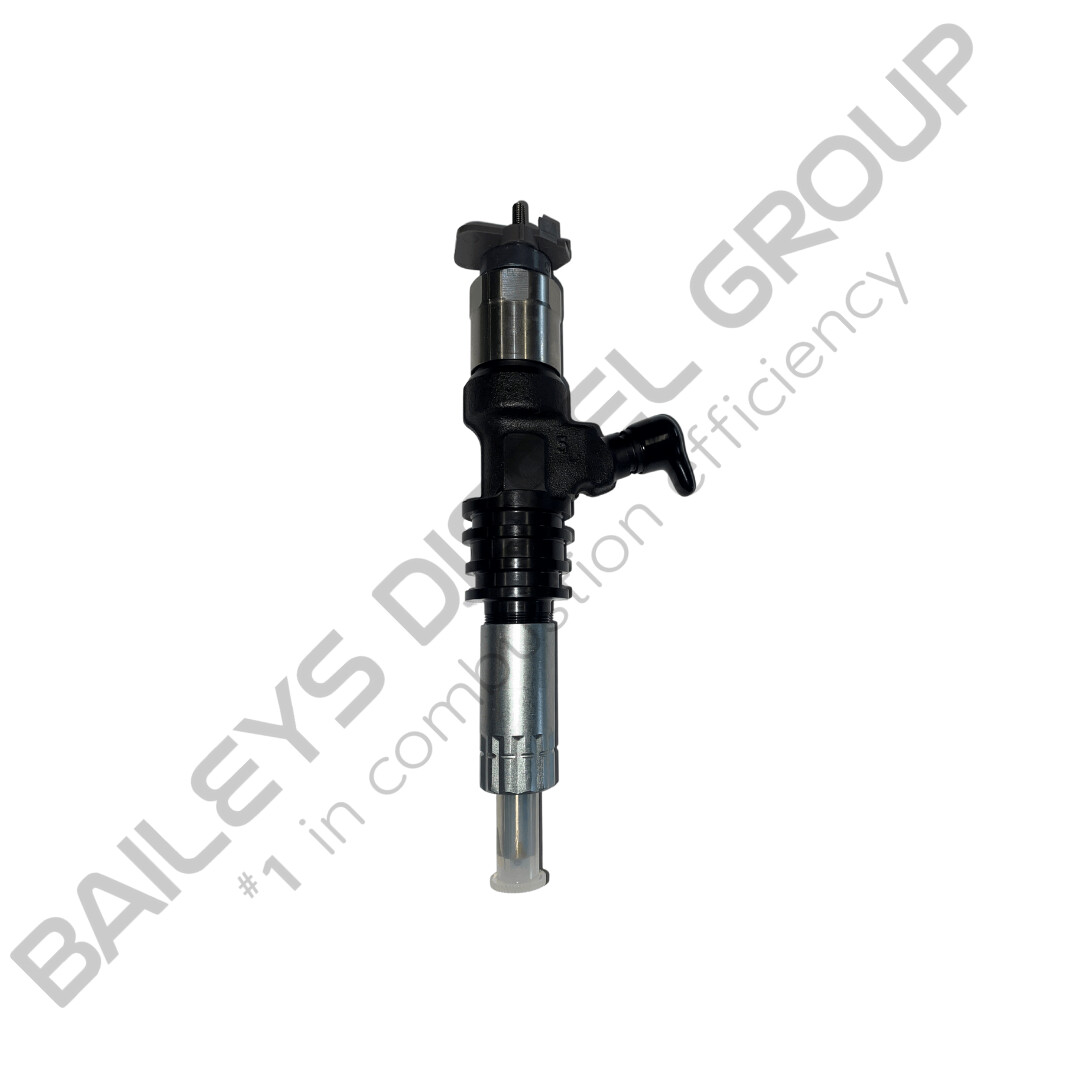
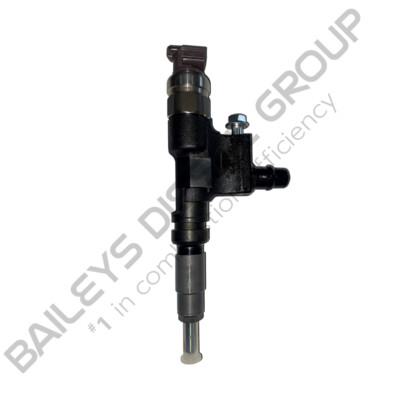
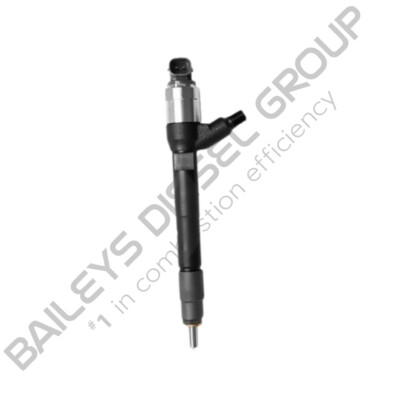
Denso Injector to suit Mitsubishi 6M60T
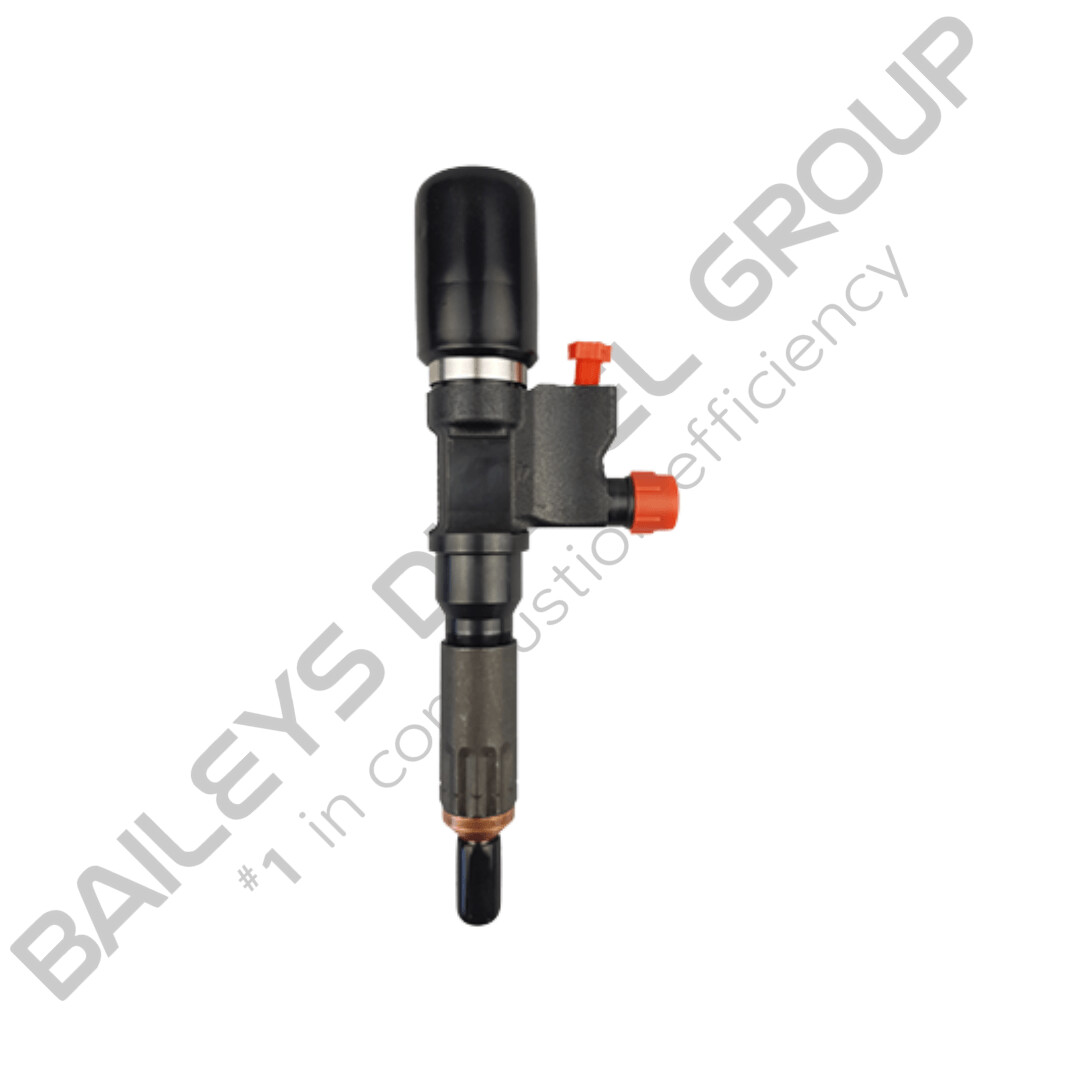
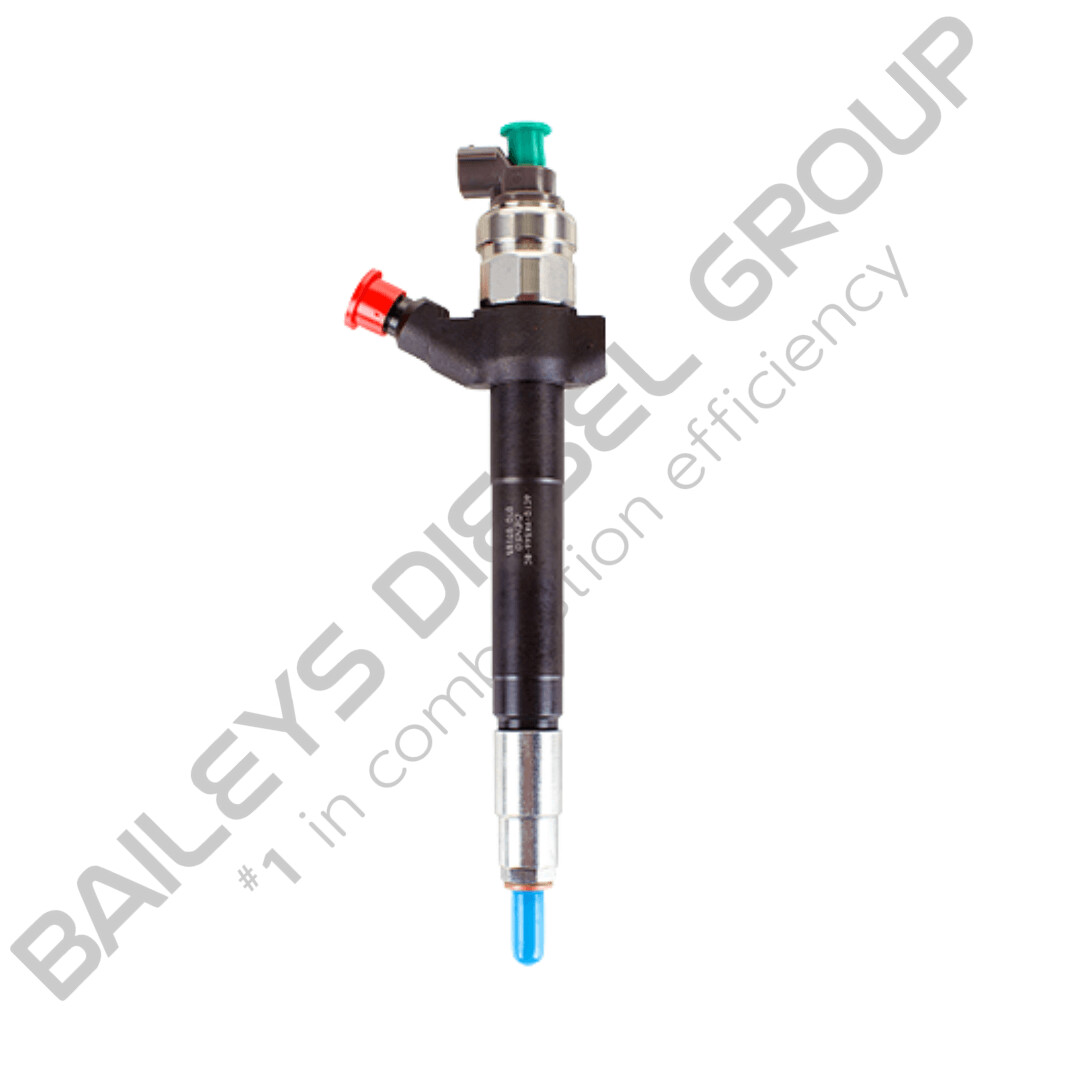
Denso Injector to suit Hino 500 series J08E
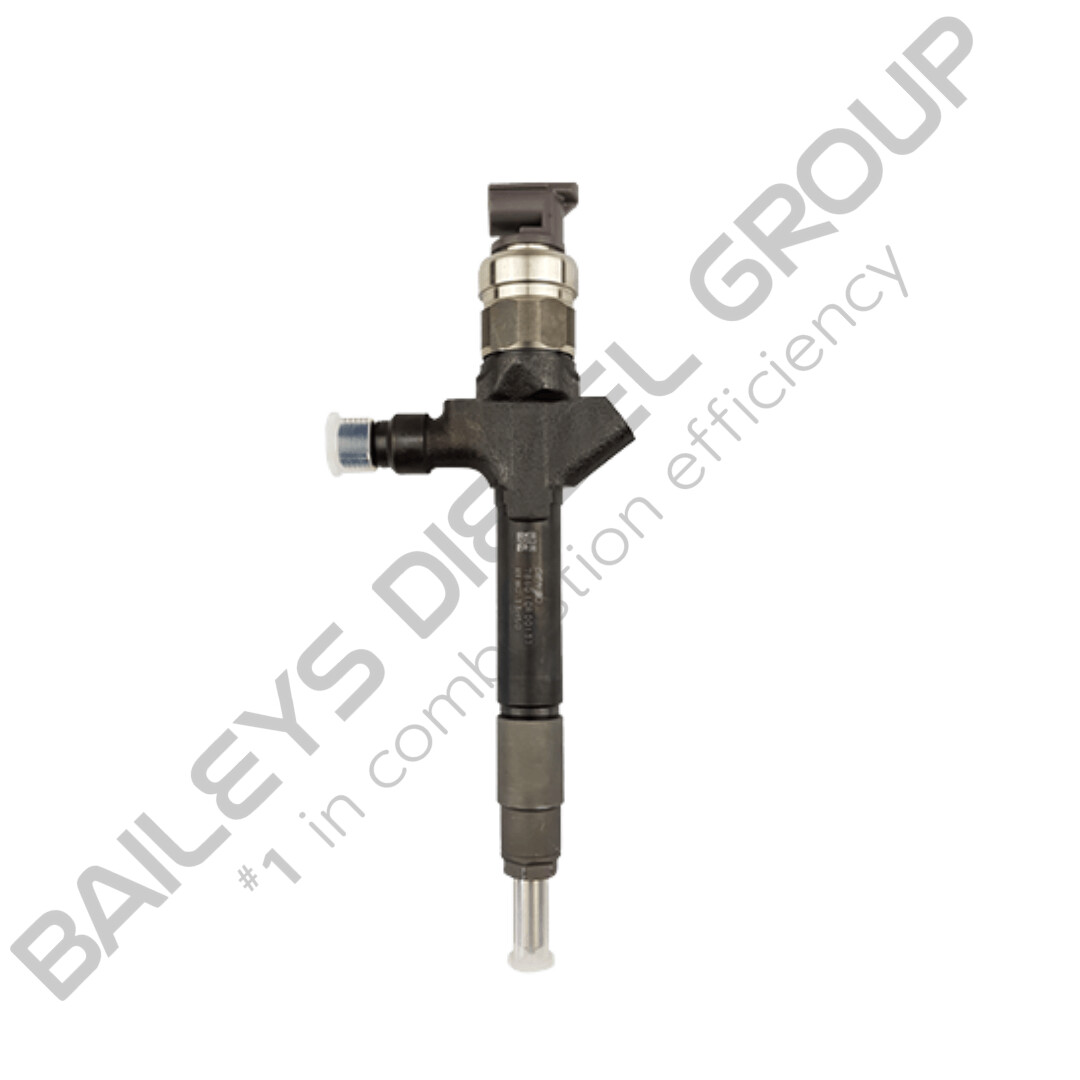
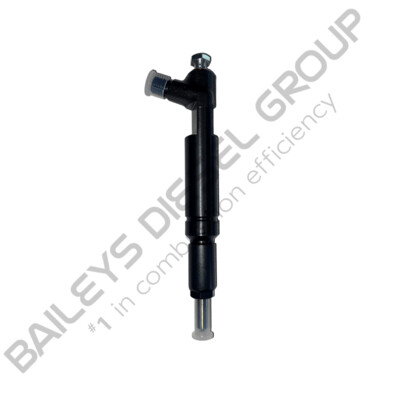
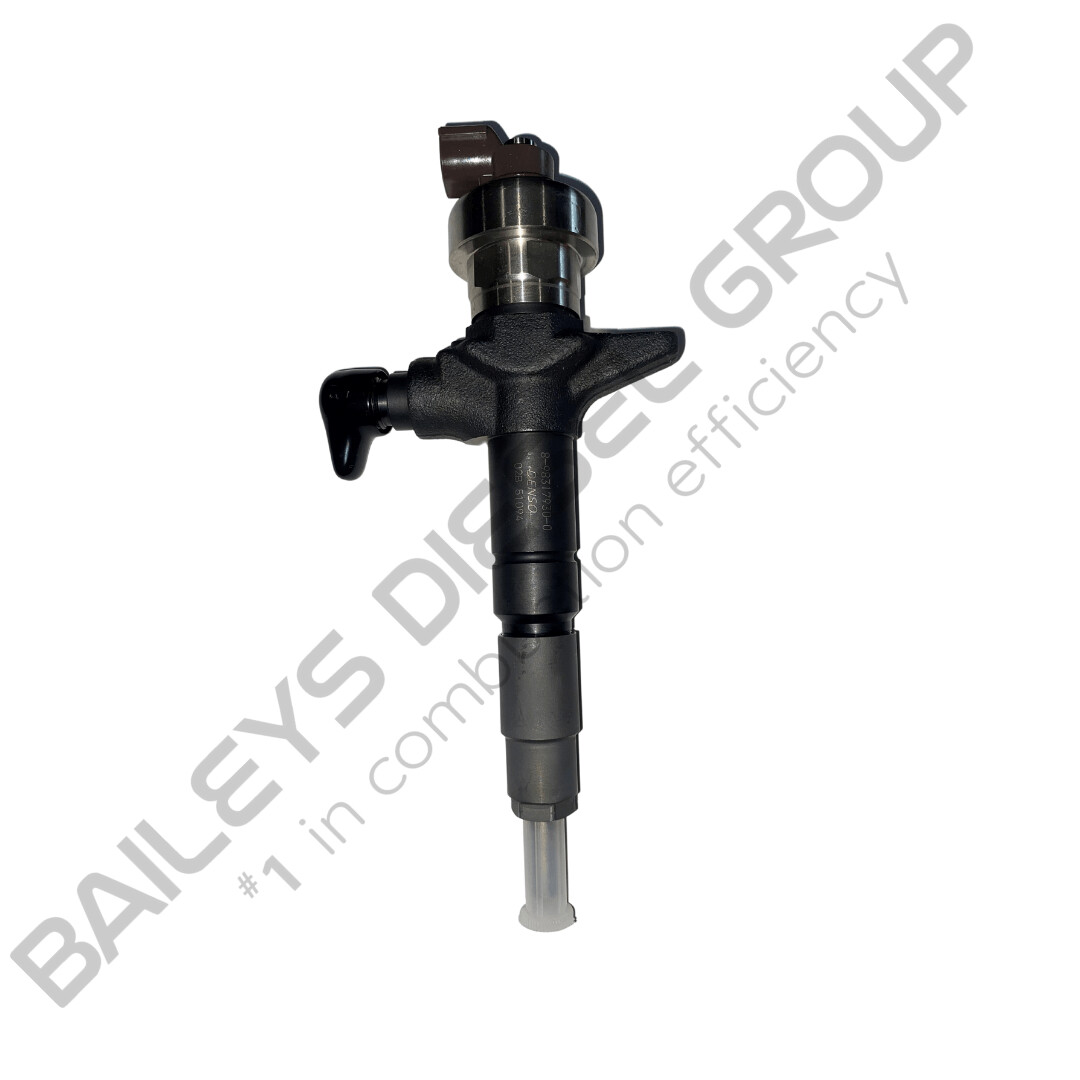
Denso Injector to suit Mazda 3 & 6 RF
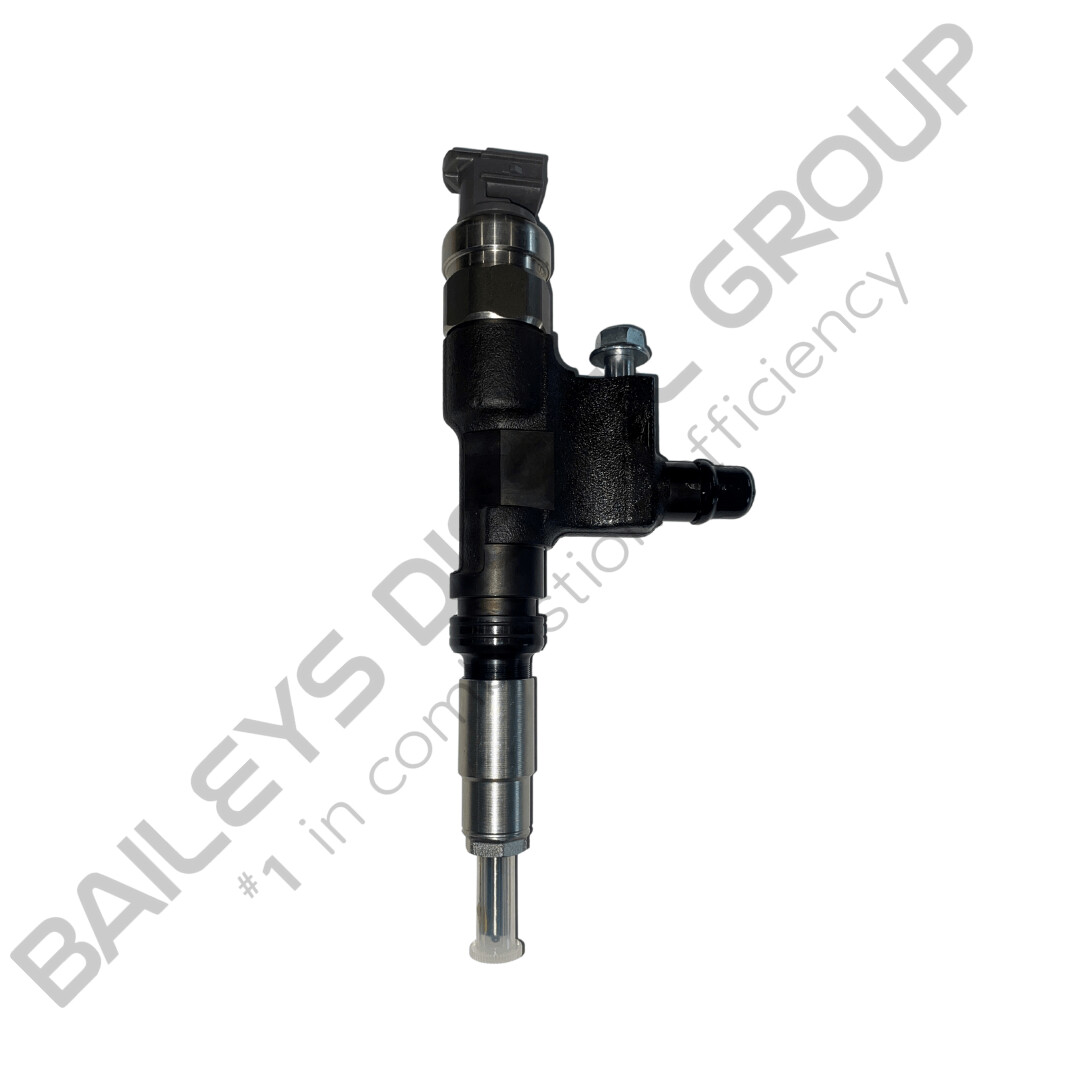
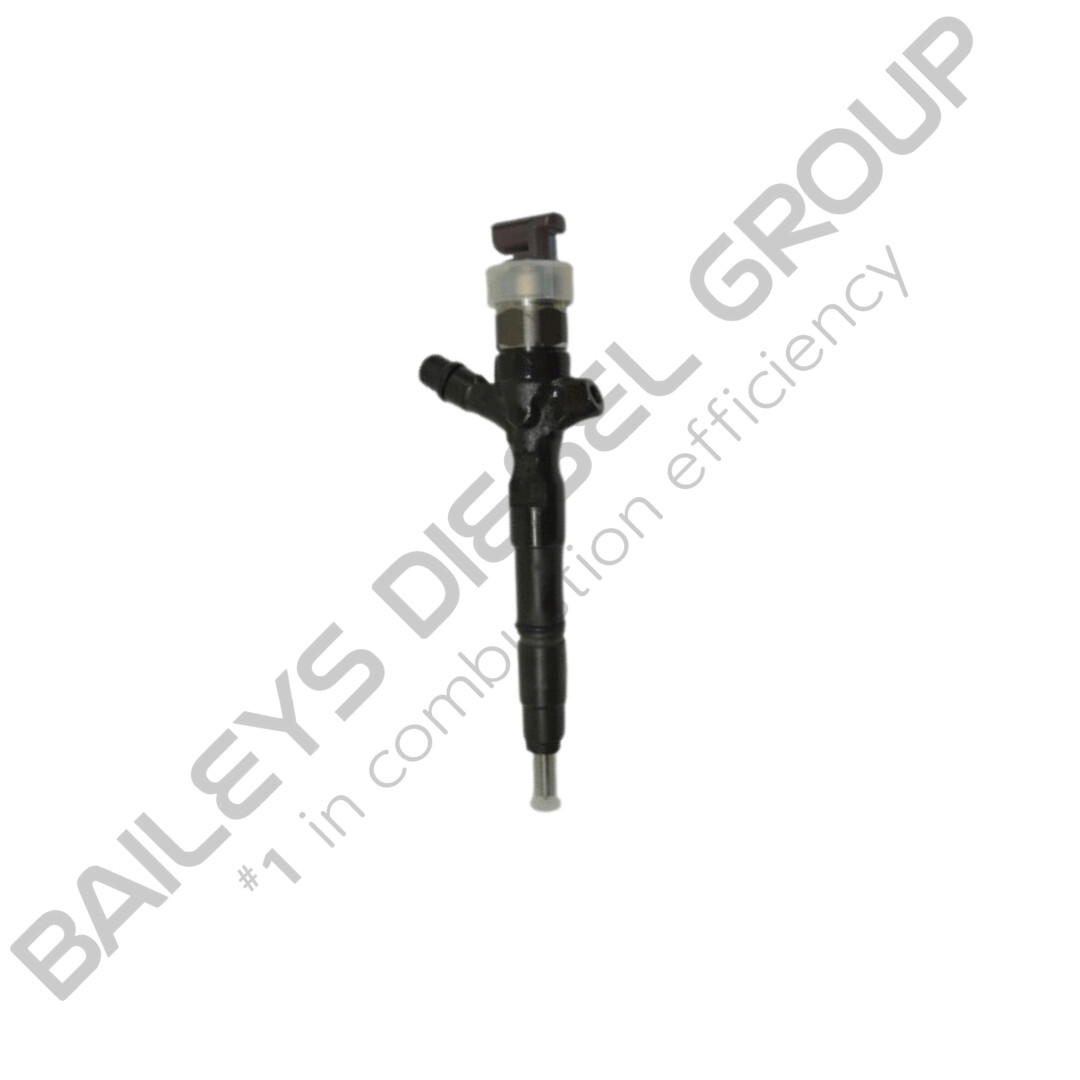
Denso Injector to suit Hino N04C Dutro
Accessories
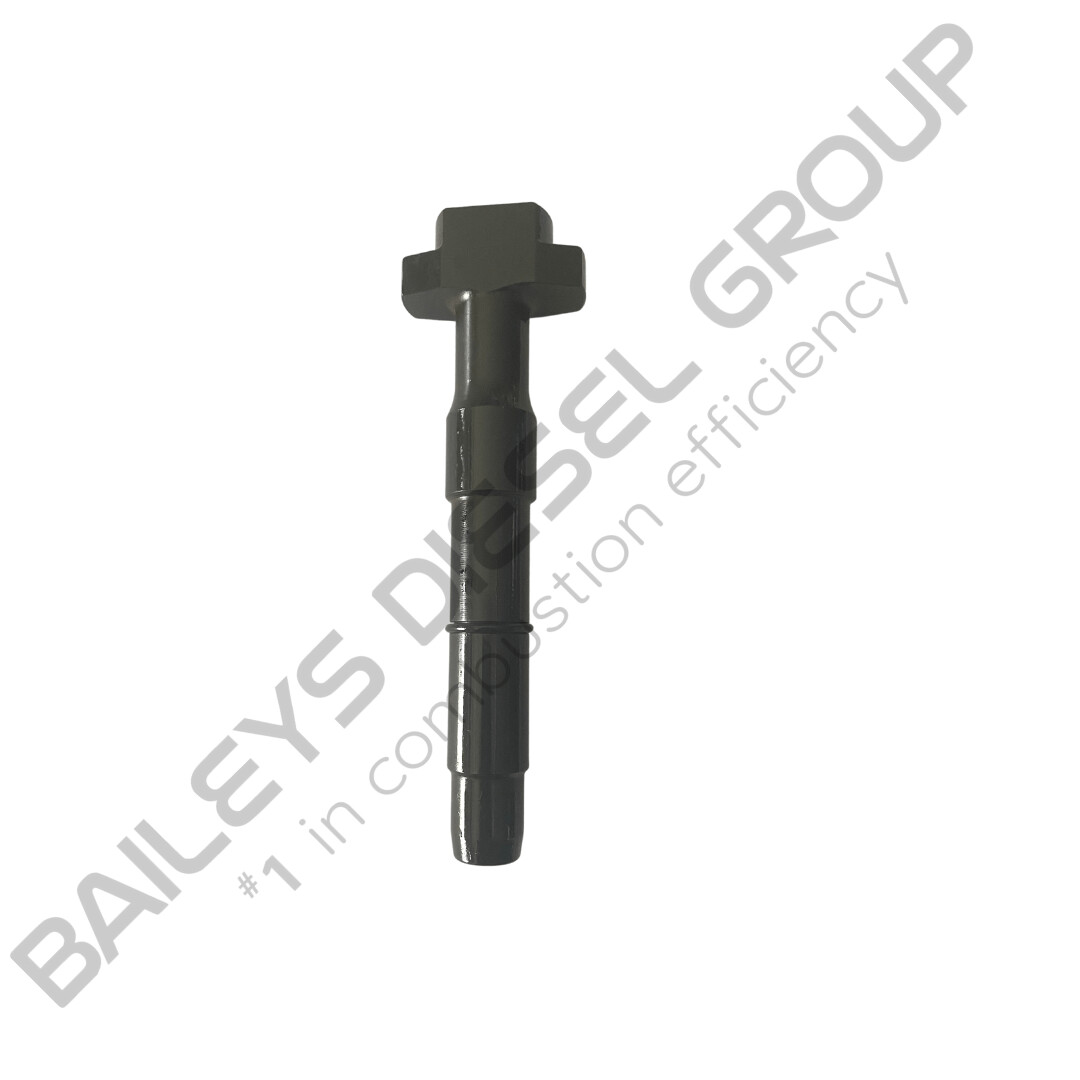
The right injector is just the starting point. Bailey's stocks a full range of Denso-compatible accessories to support a complete and proper fuel system service, including fitting kits, fuel lines, pumps, and filtration components. Everything you need to back up your injector replacement with quality parts throughout.
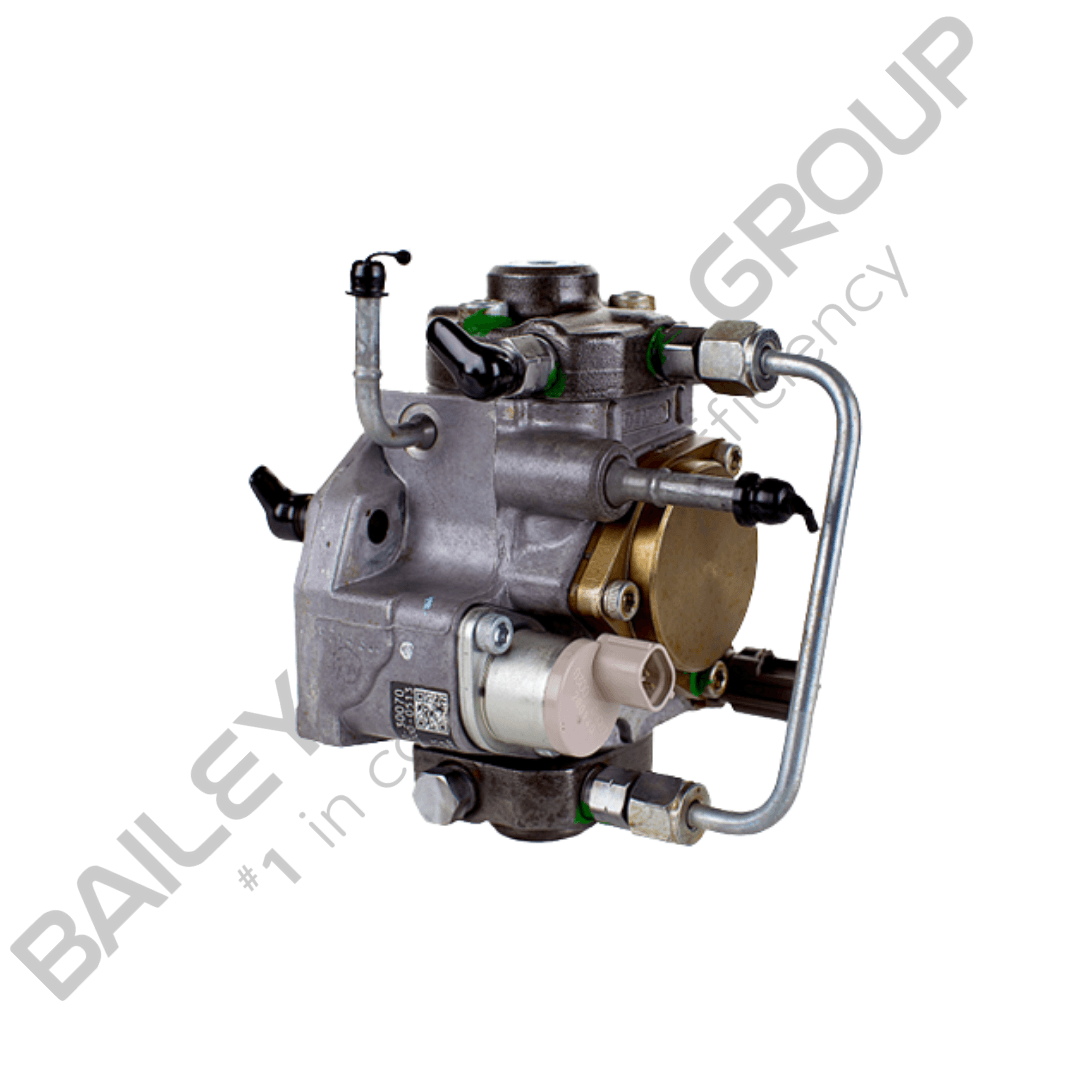
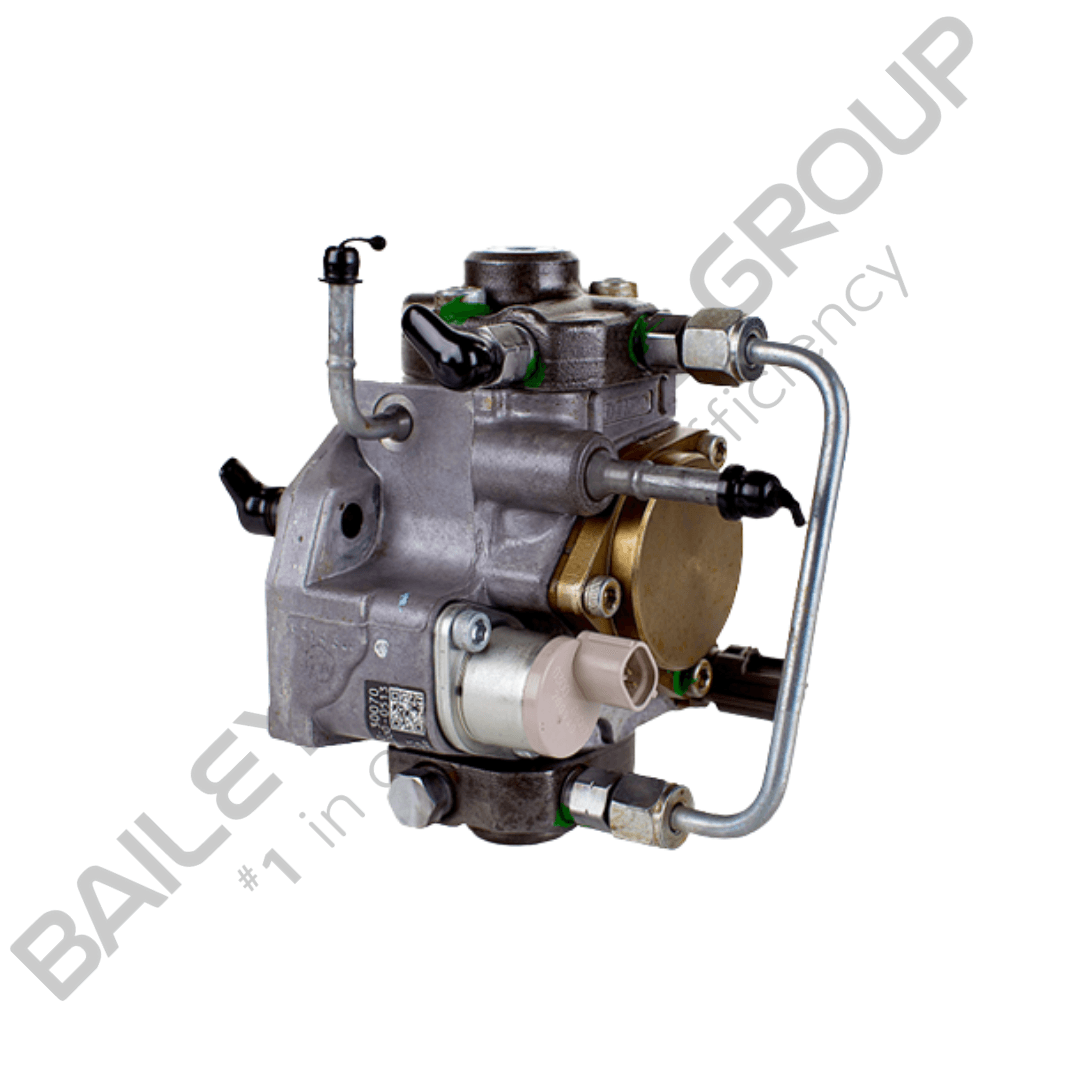
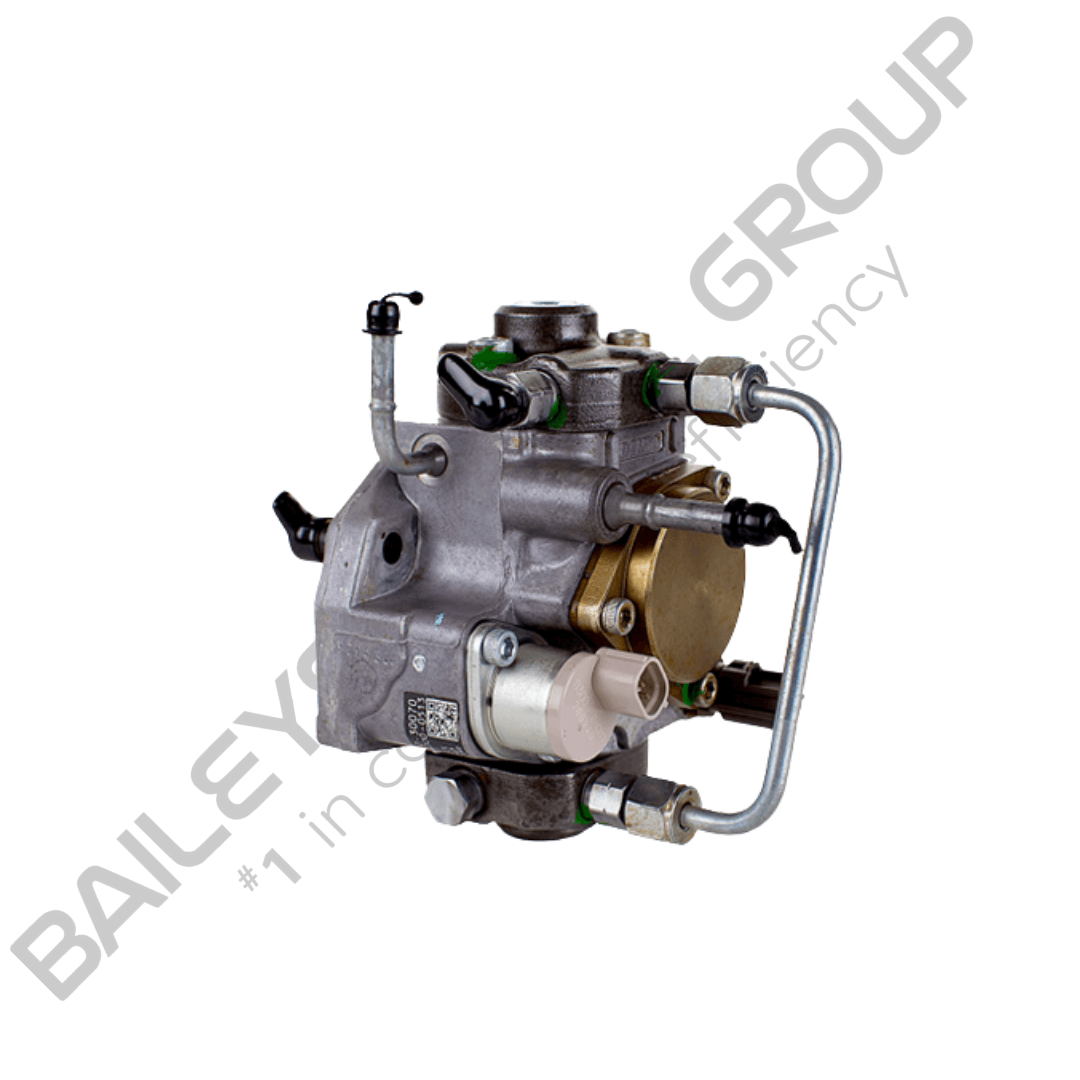
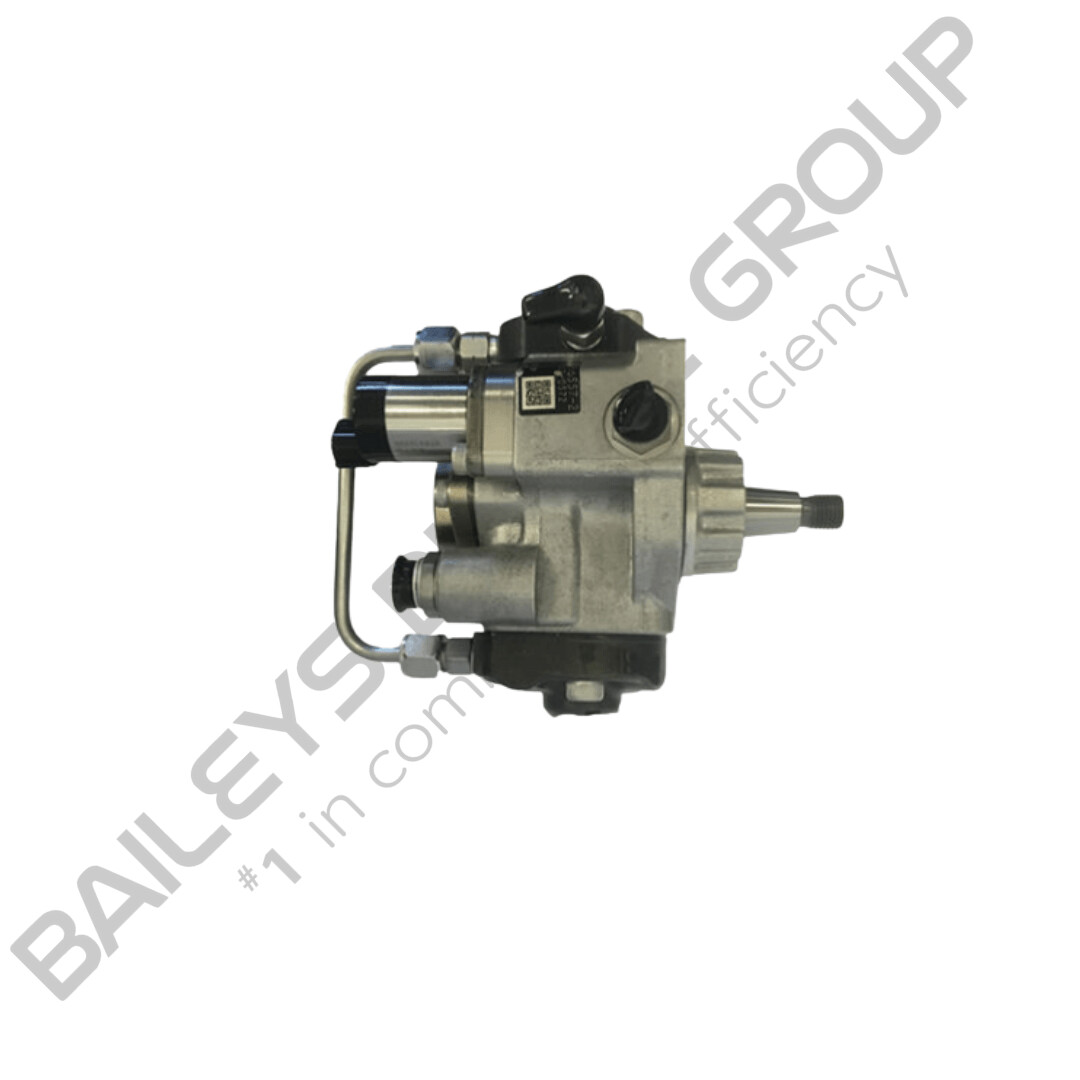
Changing Things for Good
When a Denso injector comes off the engine, it doesn't have to end up in a skip bin. Bailey's injector recycling and re-manufacturing process gives used cores a second life, cutting down on landfill and reducing the carbon dioxide and nitrous oxide output that comes with manufacturing new components from scratch. It's responsible diesel servicing, and it's been part of the Bailey's operation for decades.

Why Choose Baileys
See What Makes Baileys Diesel Group Different
Genuine Denso. No Substitutes.
Every Denso injector we stock is the real thing. Not a pattern copy, not a rebranded alternative. When you order a genuine Denso unit from Bailey's, you're getting the same component that left the OEM production line, complete with the manufacturing tolerances and quality control that Denso is known for worldwide.
One of the Broadest Denso Ranges in Australia
Sourcing genuine Denso injectors for older, less common, or commercial applications can be a frustrating exercise. Bailey's has spent decades building out a stock range that goes well beyond the popular platforms, covering everything from Hino and Isuzu truck engines through to Mazda passenger cars and Mitsubishi 4WDs.
Decades of Diesel Know-How
Fifty years in diesel gives you a perspective that no parts catalogue can replicate. Our team has seen how these engines age, how injectors fail, and what separates a job done properly from one that comes back. That knowledge is available to you every time you call or order.
Support for Workshops and Trade Customers
Bailey's works closely with diesel workshops and trade buyers across Australia. If you're servicing a fleet, running a workshop, or ordering in volume, our team can assist with technical queries, compatibility checks, and order requirements to keep your operation moving.
Technical Backup When You Need It
Denso's injector range spans an enormous number of applications, and cross-referencing part numbers across build years and engine codes isn't always straightforward. Our technicians are trained to help you identify the correct unit before you order, not after.
Frequently Asked Questions
Why are Denso injectors used across so many different vehicle brands?
Denso is the world's largest manufacturer of original equipment fuel injection components, supplying directly to Toyota, Nissan, Isuzu, Mitsubishi, Hino, Mazda, and many others. Denso injectors are particularly preferred for Japanese and Asian-built vehicles due to their deep integration with the original engine management strategies those vehicles were developed around.
Their manufacturing infrastructure, quality control processes, and engineering depth mean they can supply injectors to the specification and volume that global vehicle manufacturers require. When you buy a genuine Denso injector, you're buying the same unit that went into the vehicle at the factory, regardless of the badge on the bonnet.
Denso injectors are characterised by their compact design, high electrical durability, and ability to handle the extreme pressures of modern common rail fuel systems, with modern common rail systems operating at pressures commonly between 1,400 and 2,000 bar, and advanced systems reaching up to 2,500 bar.
How do I find the right Denso injector for my vehicle?
The most reliable method is to cross-reference your engine code and build year against the part number. Denso part numbers are specific, and a unit that looks identical can have different internal calibration depending on the application. Bailey's can verify compatibility using your vehicle's details or VIN before you order. If you're unsure whether a listed part suits your specific variant, contact the team before purchasing rather than after.
What's the difference between a genuine Denso injector and an aftermarket alternative?
A genuine Denso injector is manufactured on Denso's own production line to the same specification as the OEM component. Denso uses laser-drilled nozzles for optimal fuel atomisation, which directly contributes to improved fuel economy and reduced CO₂ emissions.
The spray pattern, flow rate, internal tolerances, and sealing geometry are all built to the standard the engine was designed around. Genuine Denso units also incorporate built-in micro-filters that prevent fuel impurities from entering the injector, extending service life in conditions where fuel quality can't always be guaranteed.
Aftermarket alternatives are produced by third parties to varying levels of precision. Some perform adequately in the short term, but the internal components often wear faster under the pressures of modern common rail systems, and spray patterns that don't match the combustion chamber geometry lead to incomplete fuel burn, carbon deposits, and reduced power output over time.
Do Denso common rail injectors need to be coded after installation?
On most modern common rail applications, yes. Denso's common rail system enables greater control over the pressure of fuel injection than conventional systems, and that precision is only maintained when the injectors are correctly coded to the engine. Each Denso injector carries unique calibration codes that the engine ECU uses to fine-tune fuel delivery to that specific cylinder.
Advanced Denso units also incorporate self-learning technology that adjusts fuel injection independently for maximum efficiency once calibration is complete. These codes need to be loaded into the ECU by an authorised workshop after installation and before the engine is run. The process compensates for the natural variance between individual injectors, and skipping it leaves the engine running on default fuelling parameters. The result is typically rough running, poor fuel economy, or misfiring on what are otherwise perfectly good components.
What are the signs that a Denso injector is failing?
Common failure symptoms include hard cold starts, rough idle, increased fuel consumption, reduced power under load, knocking sounds from the engine, and excessive or black exhaust smoke. Because Denso common rail injectors are designed to deliver the right amount of fuel at precisely the right moment, any deviation from that precision is usually felt immediately in how the engine performs.
On common rail systems, an ECU fault code related to injector balance or fuel trim is often the earliest indicator before drivability symptoms become obvious. If you're seeing any combination of these signs, having the injectors tested sooner rather than later reduces the risk of secondary damage to the fuel system.
How long do Denso diesel injectors last?
Under normal operating conditions with clean fuel and regular filter maintenance, genuine Denso injectors typically last between 150,000 and 200,000 kilometres in passenger and light commercial applications. The built-in micro-filters in genuine Denso units provide an added layer of protection against fuel impurities that contributes to this longevity, though they're not a substitute for a properly maintained fuel filter.
Heavy-duty and commercial applications depend heavily on duty cycle, fuel quality, and service intervals. Contaminated fuel, a neglected fuel filter, or consistently running a low fuel tank all shorten injector life considerably. The injectors in common rail systems rely on fuel passing through them for internal cooling and lubrication, so fuel quality and tank levels are more consequential than many owners realise.
Should I replace all injectors at once, or just the faulty one?
On high-kilometre engines, Bailey's generally recommends replacing the full set when one injector has failed. By the time one unit reaches the end of its service life, the remaining injectors are operating at a similar age and wear level.
Common rail injectors work together to adjust engine performance based on the amount of combustion needed at any given moment, so imbalance across the set has a measurable impact on efficiency and output. Replacing a single injector on an otherwise worn set can cause imbalance across the cylinders that the ECU may not fully resolve. Replacing the set in one job also avoids the labour cost of returning to the same work not long after.
What else should be replaced when fitting new Denso injectors?
At minimum, always fit new copper washers and O-rings. Reusing old seals is a common cause of backpressure issues and premature injector failure after an otherwise clean installation. Bailey's also strongly recommends replacing the high pressure fuel lines at the same time on higher-kilometre vehicles. After 120,000 to 150,000 kilometres, the internal walls of steel fuel lines begin to break down, releasing microscopic particles that travel directly into the new injectors and cause premature internal wear. A fitting kit appropriate to your vehicle takes care of the seals and hardware in one go.
Does Bailey's stock Denso injectors for commercial and heavy-duty vehicles?
Yes. Alongside the passenger and light commercial range, Bailey's stocks genuine Denso injectors for Hino 500 Series and Dutro trucks, Isuzu 4HK1, 6HK1, and 4JJ1 engines, and Mitsubishi 6M60T commercial applications. If your vehicle isn't listed, contact the Bailey's team as the full range extends beyond what's displayed on the website.

Partner with the Leaders in Diesel Efficiency
Enhance performance, reduce emissions, and optimise your diesel system with Bailey's genuine Denso expertise.