Have a question?

How Often Should Diesel Injectors be Replaced?
Baileys Diesel Group • July 29, 2026
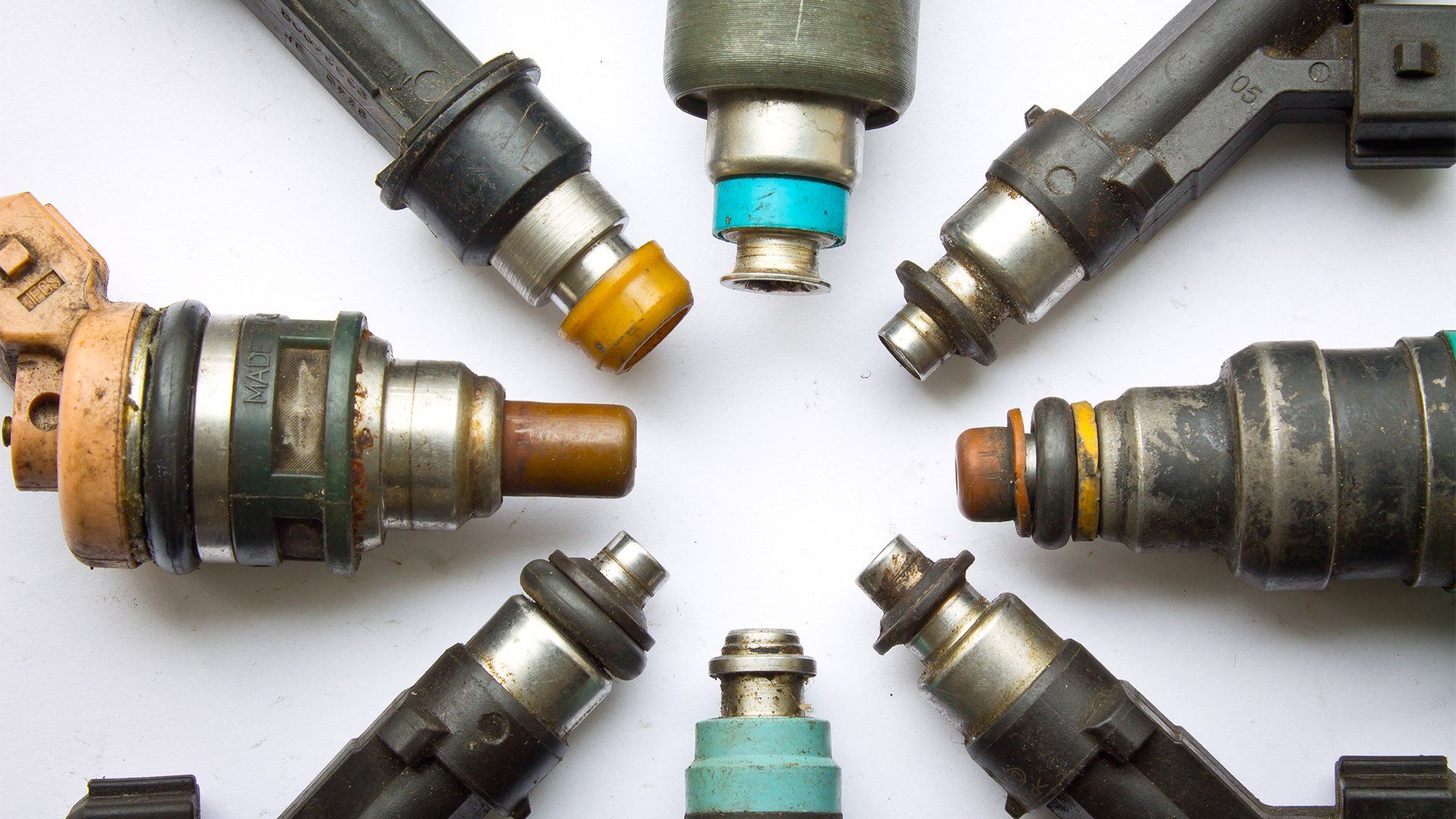
If you're the owner of a diesel-powered vehicle, you know how important it is to keep your injectors in good condition. A dirty or clogged injector can lead to problems, including decreased performance and increased emissions. In this blog post, we'll discuss how often diesel injectors should be replaced, and we'll provide some tips on how to keep them in good shape.
What are diesel injectors?
Diesel injectors are part of the fuel delivery system of a diesel engine. The typical fuel injector has nozzle, they’re really small nozzles that spray the diesel fuel into the engine and the injector body.
Diesel engines don’t use spark plugs or the compression stroke of a gasoline engine to create a high-pressure combustion event. Instead, diesel engines use a pressure low-pressure event to create a favourable combustion environment for diesel production.
The diesel injector system consists of fuel delivery and a combustion chamber. The fuel delivery system is usually a pump and a series of nozzles that spray the diesel fuel into the engine.
The diesel fuel meets the air in the injection chamber, and the combustion event occurs.
Diesel fuel injectors are responsible for delivering fuel to the engine cylinders. They work by opening and closing at very high speeds, allowing a precise amount of fuel to enter the engine. Over time, however, they can become clogged or dirty, leading to problems.
How Often Do Diesel Fuel Injectors Need to Be Replaced?
So how often should diesel injectors be replaced? It is recommended that diesel fuel injectors be replaced every 150,000 to 250,000 miles. However, this number will vary depending on the diesel fuel injector type and the driving conditions. If you do a lot of stop-and-go driving or haul heavy loads, your diesel fuel injectors may need to be replaced more frequently. It would be best if you also had your injectors inspected and cleaned every 30,000 to 40,000 miles.
Why Do Diesel Fuel Injectors Need to Be Replaced?
The fuel injectors in your vehicle are there to deliver fuel to the engine. There are four main reasons why you’ll need to replace diesel fuel injectors.
1. Overheating
The diesel engine generates a lot of heat, especially when put through a heavy workload. The engine gets rid of the heat by producing more pressure. Fuel injectors are exposed to high pressure during this process. If the pressure gets too high, the injection system can be damaged.
2. Leaks
If a diesel injector is damaged or worn out, it can leak diesel into the engine. This can lead to reduced engine performance and increased maintenance costs.
3. Defective Fuel Injection
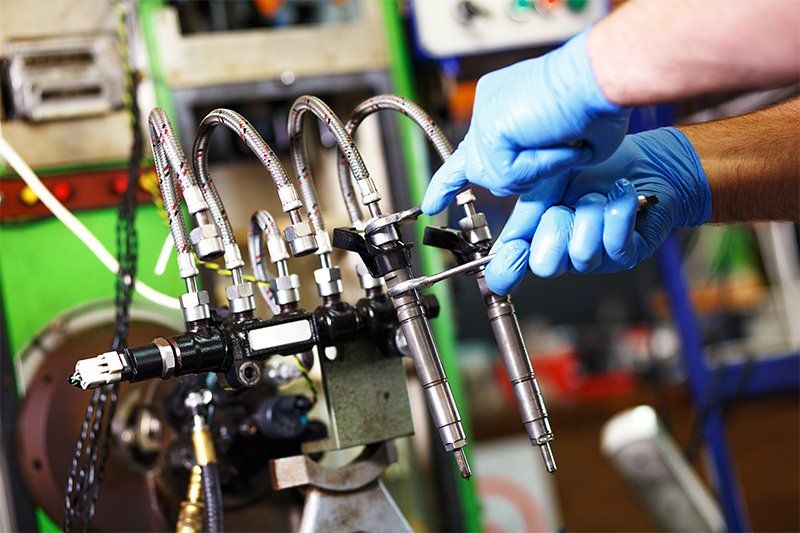
A problem with the fuel injection system can lead to defective fuel injection. Defective fuel injection is another way to damage the injection system and lead to defective fuel delivery.
4. Defective Injectors
The most common cause of defective fuel injectors is excessive wear. Over time, the nozzles in your fuel injectors become damaged and fail.
Top Tips for Keeping Diesel Injectors in Good Shape
Now that you know how often diesel injectors should be replaced. Replacing common rail fuel injectors can be a bit more expensive, so you may want to wait until they start to cause problems before replacing them. Here are a few tips to help keep them in good shape.
- Use high-quality fuel: This will help prevent deposits from forming on the injectors.
- Change your oil regularly: This will help remove any contaminants that could build up on the injectors.
- Inspect your injectors regularly: You should inspect your injectors for signs of wear or damage every 30,000 to 40,000 miles.
By following these tips, you can extend the lifespan of your fuel injectors and keep them in good condition. However, if you notice any problems with your injection system, make sure to have it repaired as soon as possible.
Injectors play a huge part in fuel economy because they control how much fuel enters the engine. If they're not working properly, your vehicle will use more fuel than it should. Additionally, a clogged, dirty or bad injector can cause your vehicle to produce more emissions.
Takeaway
Clean fuel injectors are vital to the performance of your diesel engine. To keep them clean, use high-quality fuel and change your oil regularly. You should also inspect your injectors for signs of wear or damage every 30,000 to 40,000 miles. If you notice any problems with your injection system, make sure to have it repaired as soon as possible.
Do you need a replacement fuel injector for your diesel engine?
At Baileys Diesel Group we have a wide range of high-quality injectors for all types of diesel engines. Visit our shop today to find the perfect fuel injector for your engine. We’re here to help you get the right fit for your engine.