Have a question?

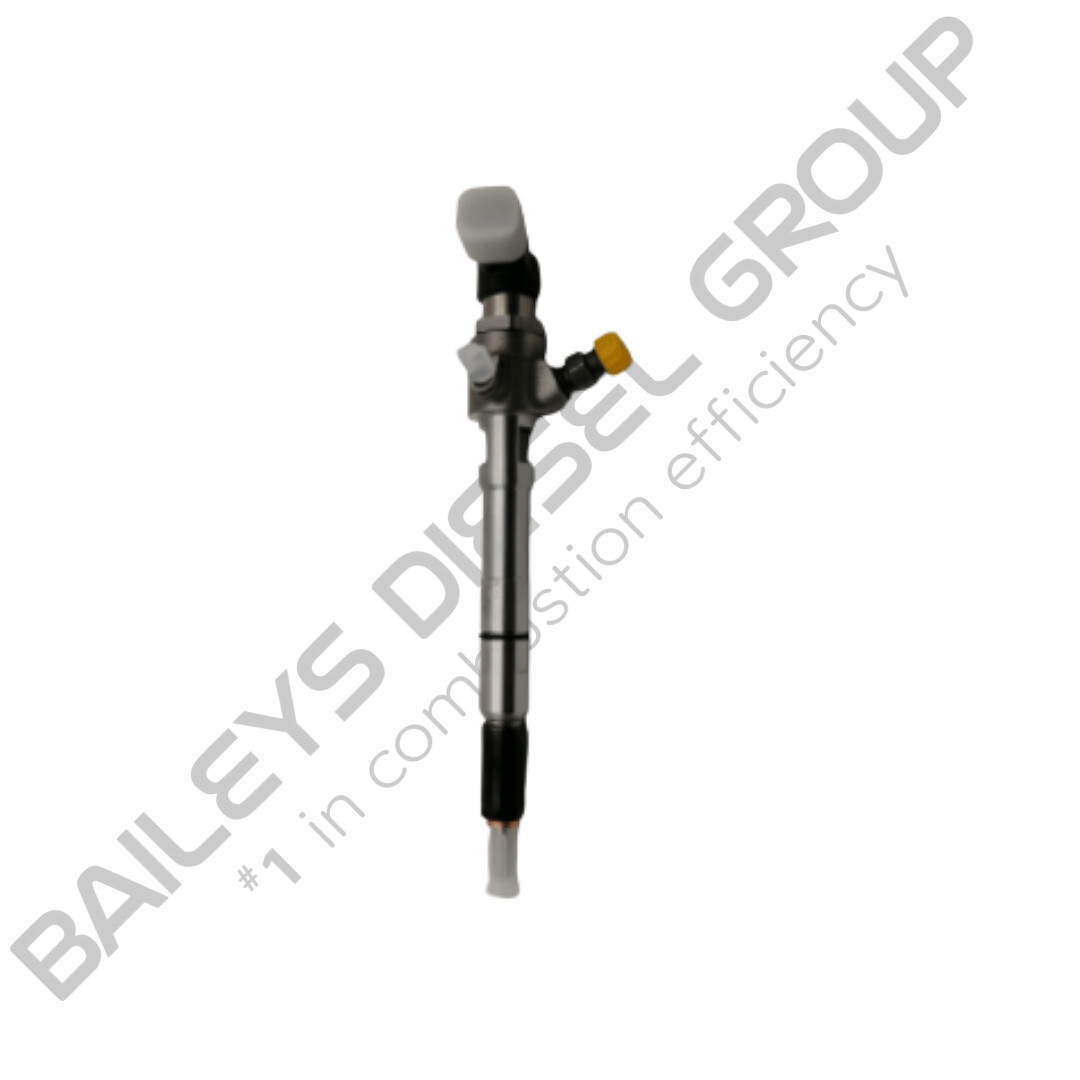
Genuine Siemens Injector to suit Nissan Navara D23 NP300 / Renault 2.3L
SKU A2C3335190080
AU$577.50
1
Product Details
PART NUMBER (MANUFACTURER PART NUMBER):
A2C3335190080
OEM NUMBERS:
16600-00Q2K, 16600-0372R, 16609-3282R
VEHICLE MAKE:
Nissan, Renault
VEHICLE MODEL:
Navara D23 NP300
PART TYPE:
Injector
PRODUCT TYPE:
Genuine
Siemens VDO has been at the forefront of diesel injection technology for decades, supplying precision-engineered components to vehicle manufacturers worldwide. This genuine Siemens injector for Nissan Navara 2.3L engines delivers the exact specifications your engine was designed to run on. Built in Siemens' advanced manufacturing facilities, each injector passes through multiple quality gates including nozzle geometry verification, electronic response testing, and high-pressure leak testing. When you fit a genuine VDO injector, you're maintaining the fuel delivery precision that Nissan engineered into the D23 platform.
Vehicle Fitment
Suits Nissan Navara D23 NP300 and Renault vehicles fitted with 2.3L diesel engines.
Understanding Fuel Injection Technology
The injectors in your Navara operate in one of the harshest environments inside the engine. They're exposed to combustion chamber heat on one end while managing fuel at pressures that would cut through your hand on the other end. Each injection event happens in milliseconds, with the injector opening and closing multiple times per combustion cycle in modern engines. This is called pilot injection, main injection, and post injection, all controlled electronically to optimise combustion efficiency and reduce emissions. When an injector starts to fail, you'll experience poor cold starting, a lumpy idle that smooths out as the engine warms up, excessive exhaust smoke (particularly black under load), noticeable power loss during overtaking, and climbing fuel consumption that eats into your running costs.
Factory Quality Makes the Difference
There's a significant performance gap between genuine Siemens injectors and budget market alternatives. Genuine parts maintain precise manufacturing tolerances measured in microns. The spray pattern from each nozzle hole is calibrated to create optimal fuel distribution across the combustion chamber. The electronic solenoid inside responds in exact timing with the ECU's commands. Cheaper injectors often use softer materials that wear faster, inconsistent manufacturing that produces irregular spray patterns, and electronics that drift out of specification over time. Your Navara might feel fine initially with aftermarket parts, but longevity and reliability take a hit. Given how hard most people work their utes in Australia, genuine quality pays for itself.
The Hidden Fuel Line Problem
Your high-pressure fuel lines are under constant stress from pressure cycling and vibration. After years of service, typically around the 120,000-150,000km mark, the internal surface of these lines begins to deteriorate. Tiny steel particles break away from the line walls and travel through the fuel system. Since these particles are microscopic, your fuel filter can't catch them. They flow straight through to the injectors where they cause accelerated wear on the precision-machined surfaces inside. It's like introducing fine sandpaper into a system designed to tolerances of thousandths of a millimetre. When you're investing in new injectors, fitting fresh fuel lines at the same time protects that investment. The lines might look fine from the outside, but internal degradation is invisible until it causes problems.
What Damages Injectors
Contaminated diesel is the number one enemy of fuel injectors. Water in diesel causes rust and corrosion on internal components that must remain pristine to function correctly. Algae growth from water contamination creates sticky deposits that interfere with injector operation. Sediment and particulate matter in low-quality fuel acts as an abrasive, wearing away the precisely machined surfaces. Poor fuel quality also affects lubricity, which these components depend on since diesel fuel itself provides the lubrication for the injector internals. Regular fuel filter maintenance is non-negotiable. If you suspect water contamination or have filled up with questionable diesel, drain and flush the system before the damage spreads to your injectors.
Getting the Installation Right
Fuel line handling during installation makes or breaks long-term reliability. Never bend or flex the high-pressure lines to create working room. If you need to access the rocker cover or surrounding components, disconnect the fuel lines completely rather than pushing them aside. Flexing creates weak spots in the line that will eventually crack under pressure, causing dangerous fuel leaks and expensive repairs. The few extra minutes it takes to do it properly will save you from roadside breakdowns later.
Use new copper sealing washers on every injector installation. Old washers have been compressed and won't create a proper seal when reinstalled. A leaking seal allows combustion pressure to escape and can lead to carbon buildup around the injector. Follow the factory torque specifications precisely. Under-torquing leads to leaks and vibration; over-torquing can crack the injector body or strip threads in the aluminium cylinder head. After installation, take the time to properly prime the fuel system and bleed out all trapped air. Air in the system mimics a failing injector, causing rough running and misfires that have nothing to do with the new parts you've just fitted.
Warranty
Direct replacement with OE fitment and full statutory warranty. Warranty covers manufacturing defects and faulty materials, giving you confidence in your purchase.
Save this product for later
Genuine Siemens Injector to suit Nissan Navara D23 NP300 / Renault 2.3L
Display prices in:
AUD