Have a question?

Suction Control Valves
Diesel Suction Control Valves for a Wide Range of Vehicles
When your common rail fuel pump starts hunting for pressure or your engine begins showing signs of fuel starvation, the diesel suction control valve is often the first place to look. The SCV regulates fuel rail pressure in diesel engines, adjusting fuel flow to match the target pressure set by the ECU based on real-time engine speed and load conditions. A well-functioning SCV is essential for optimal engine performance, fuel efficiency, and long-term reliability, and when it starts to fail, the effects are felt throughout the entire fuel system.
At Bailey's Diesel Group, we stock reliable suction control valves across a broad range of passenger, 4WD, and light commercial applications. With more than 50 years in diesel fuel system technology, Bailey's is Australia's trusted source for quality suction control valves that restore correct fuel pressure and get your diesel running as it should. Replacing more than just the SCV? View our diesel injectors and related parts.
Suction Control Valves
The suction control valve is located at the inlet of the high pressure fuel pump and regulates the right amount of fuel drawn in on each stroke, delivering precisely the fuel needed by the diesel engine at any given moment.
The SCV's precise control of fuel flow helps prevent fuel waste and directly enhances the engine's overall efficiency. A blocked or sticking valve, or one that is closing incorrectly, fails to respond correctly to ECU signals, which can cause overheating and serious damage to the fuel injection pump. When it starts to stick, wear, or fail entirely, the pump loses the ability to maintain correct rail pressure and the engine suffers for it.
Bailey's stocks suction control valves to suit Toyota, Nissan, Mitsubishi, Isuzu, Ford, Mazda, Holden, Hyundai, Hino, and more. Find your vehicle below.
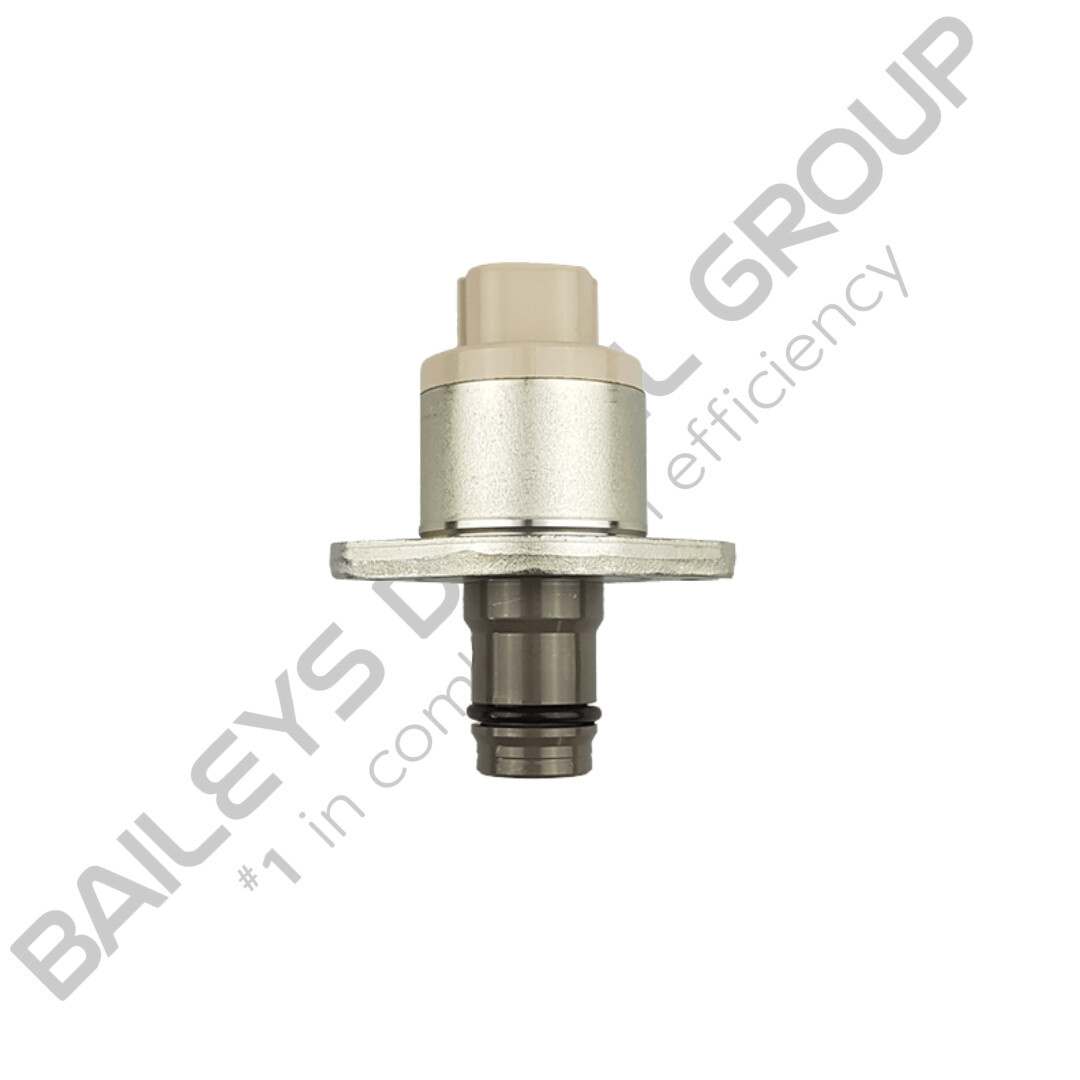
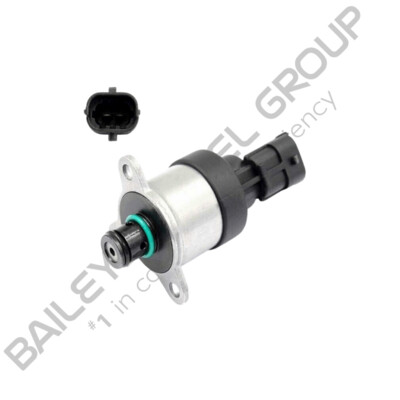
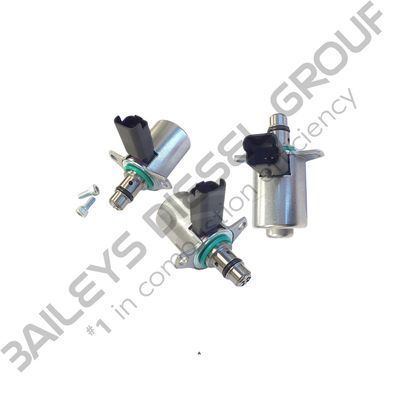
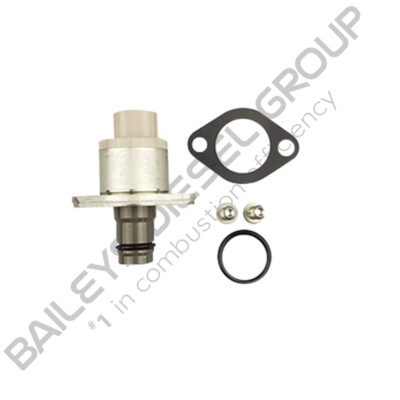
Suction Control Valve to suit Toyota Hilux & Toyota Hiace
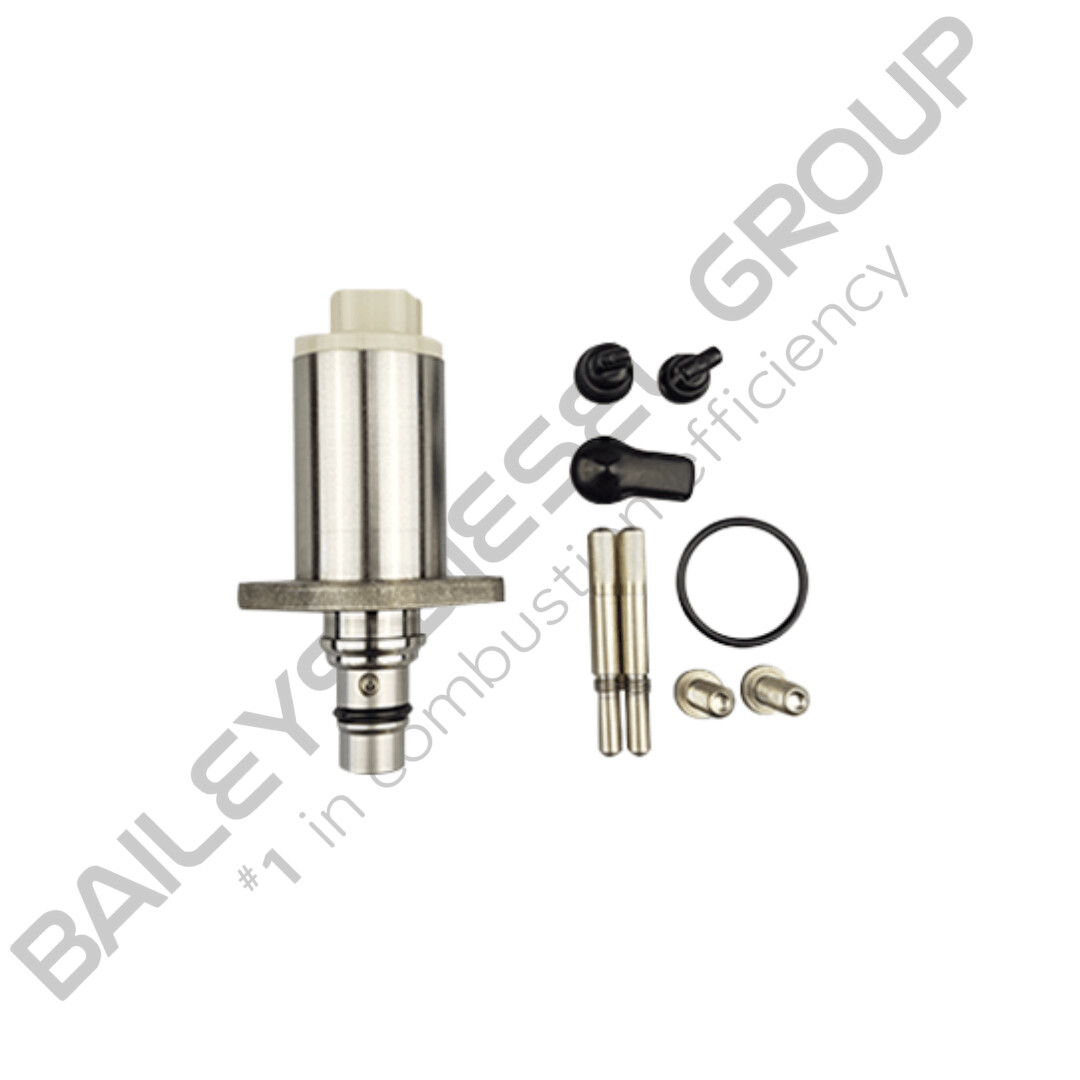
04226-0L020 Suction Control Valve Kit to suit Toyota 1KD-FTV
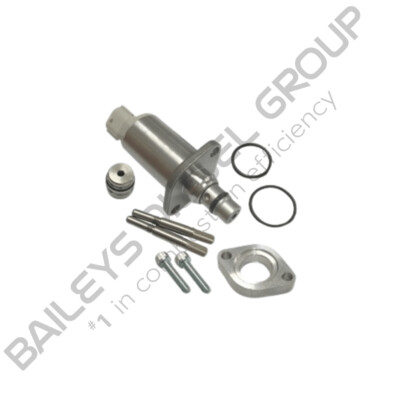
04226-0L010 Suction Control Valve Kit, including conversion adaptor plate (short to long)
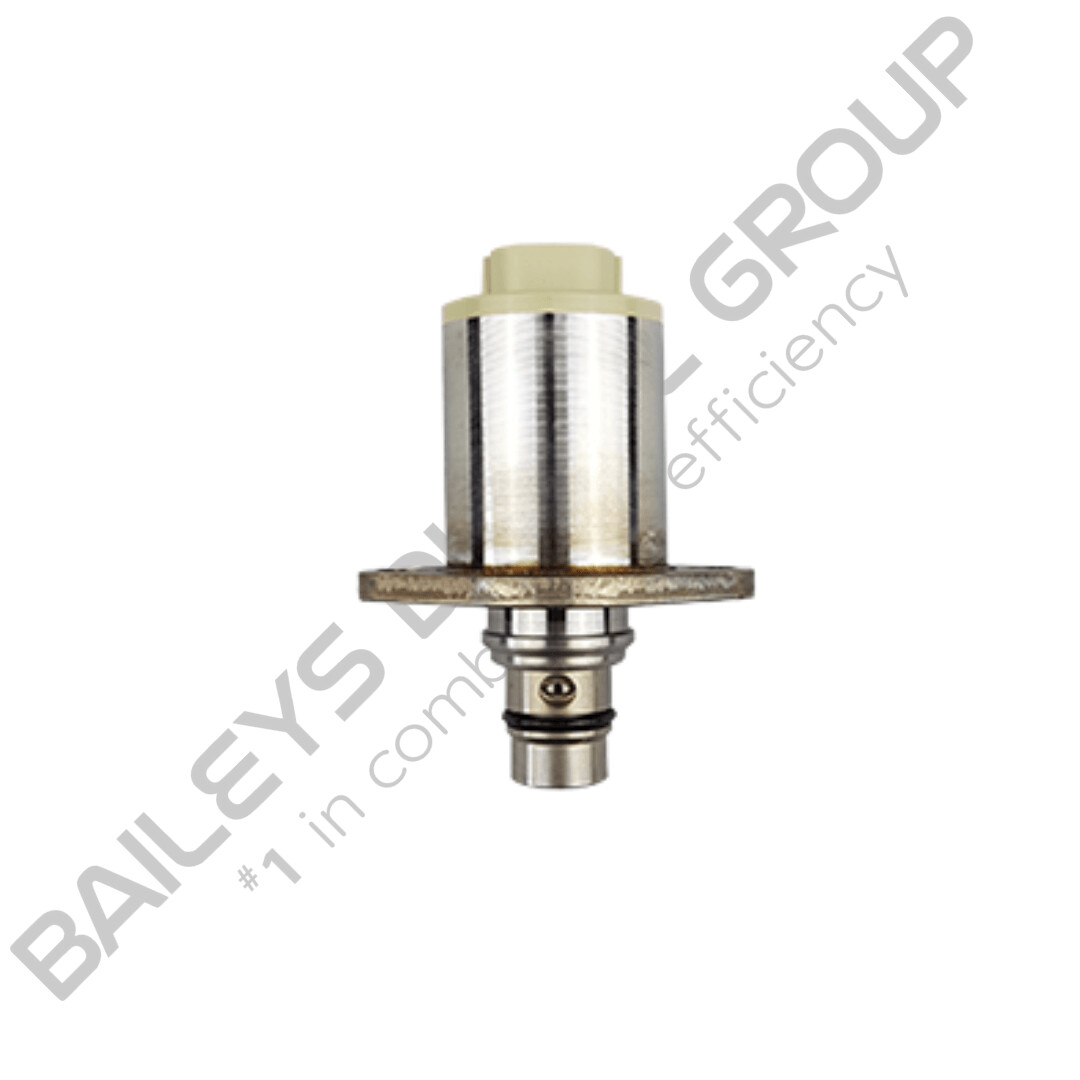
Suction Control Valve to suit Toyota Landcruiser 79 Series & 200 Series 1VD
Accessories
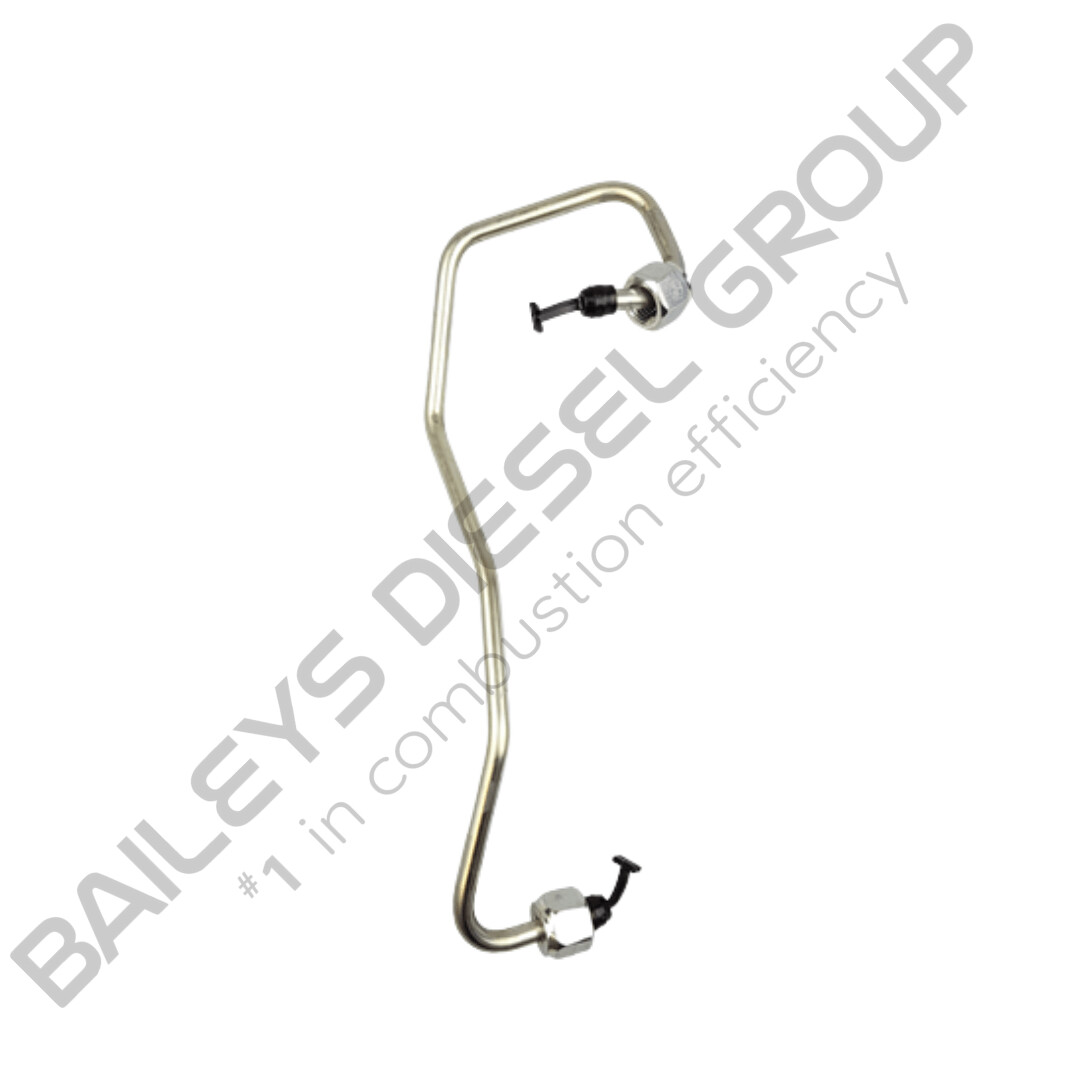
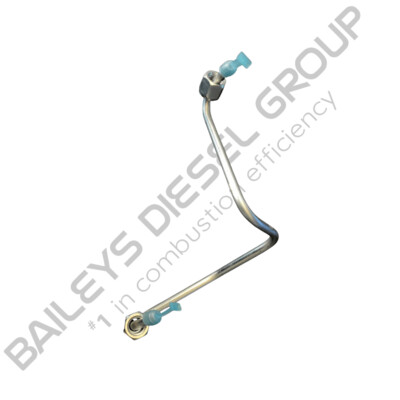
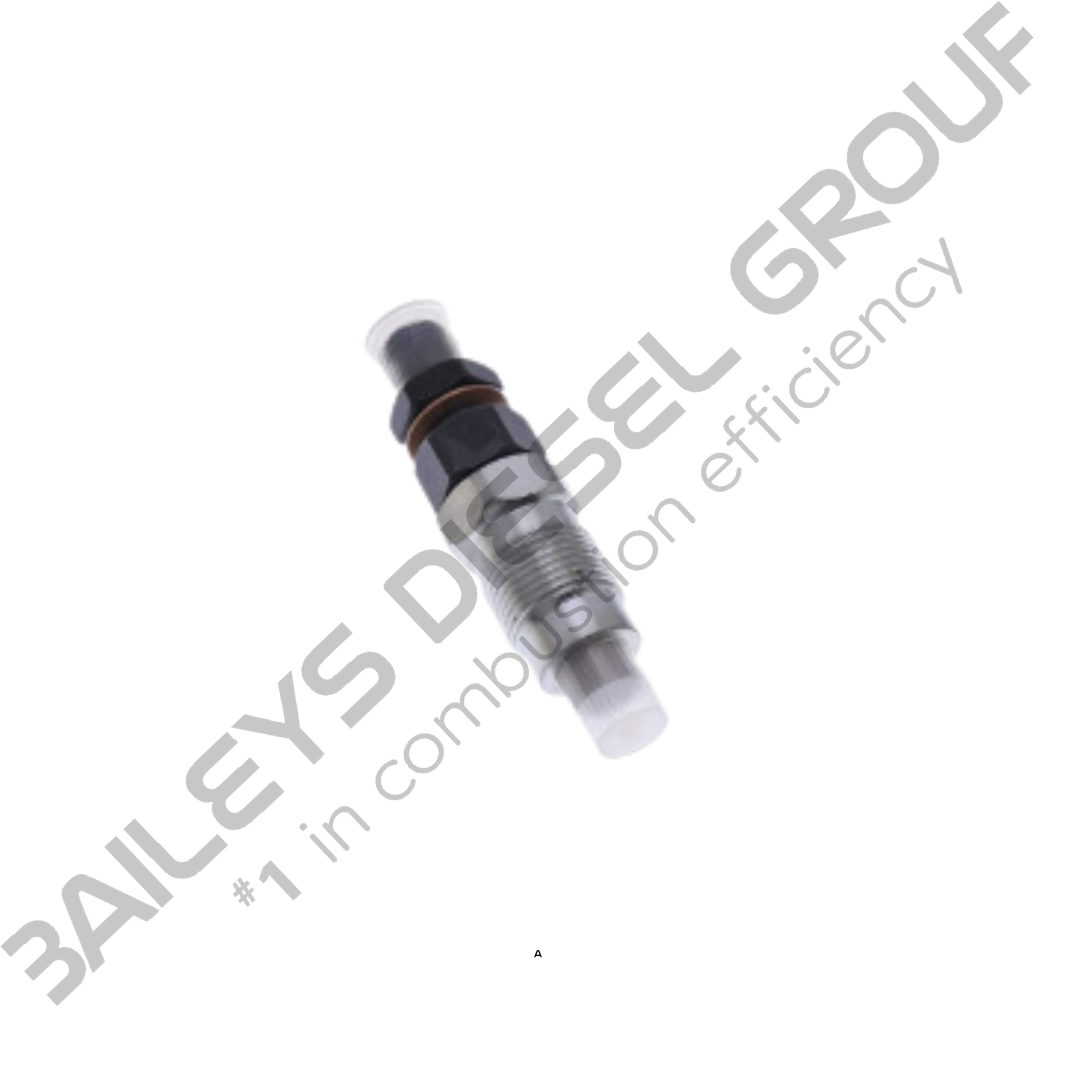
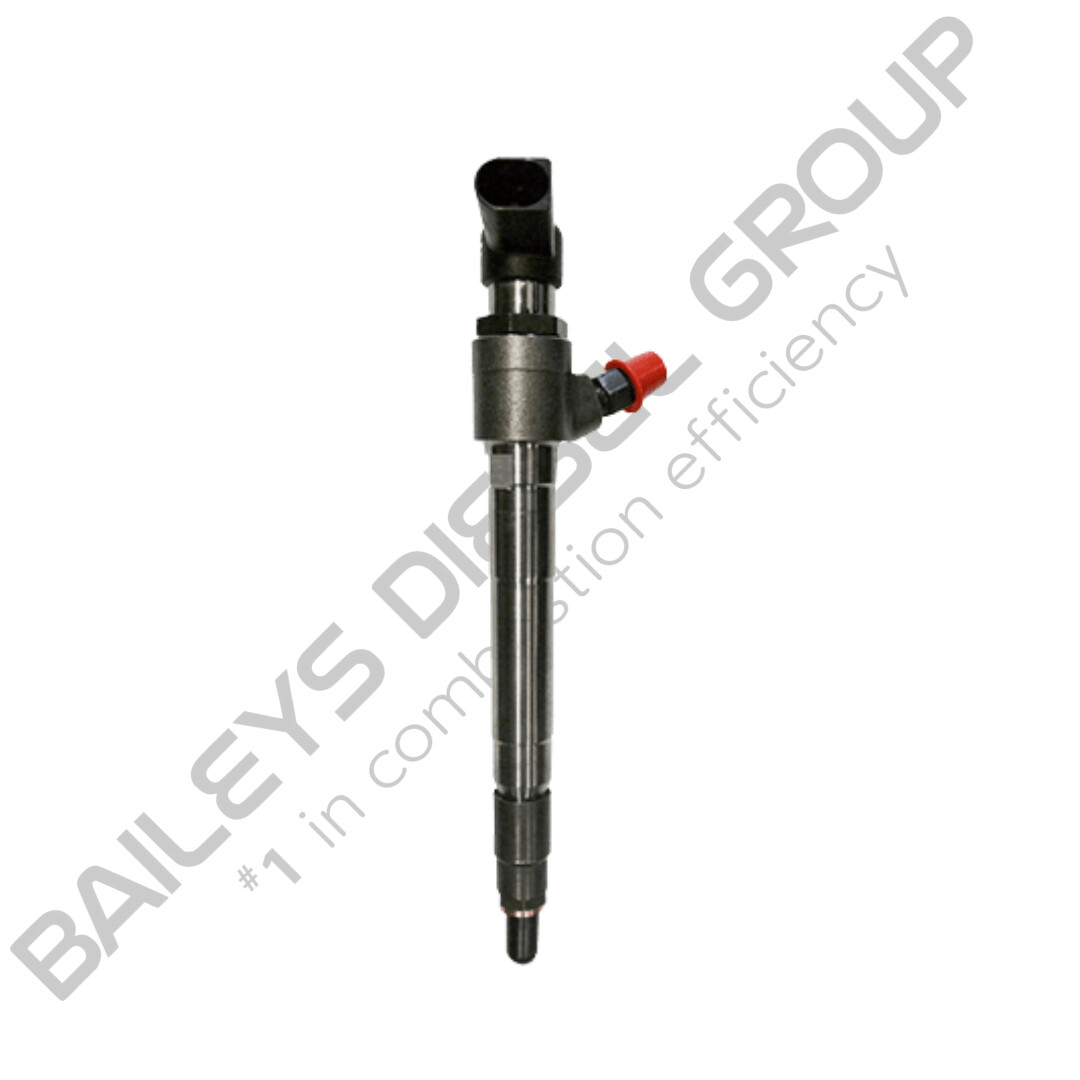
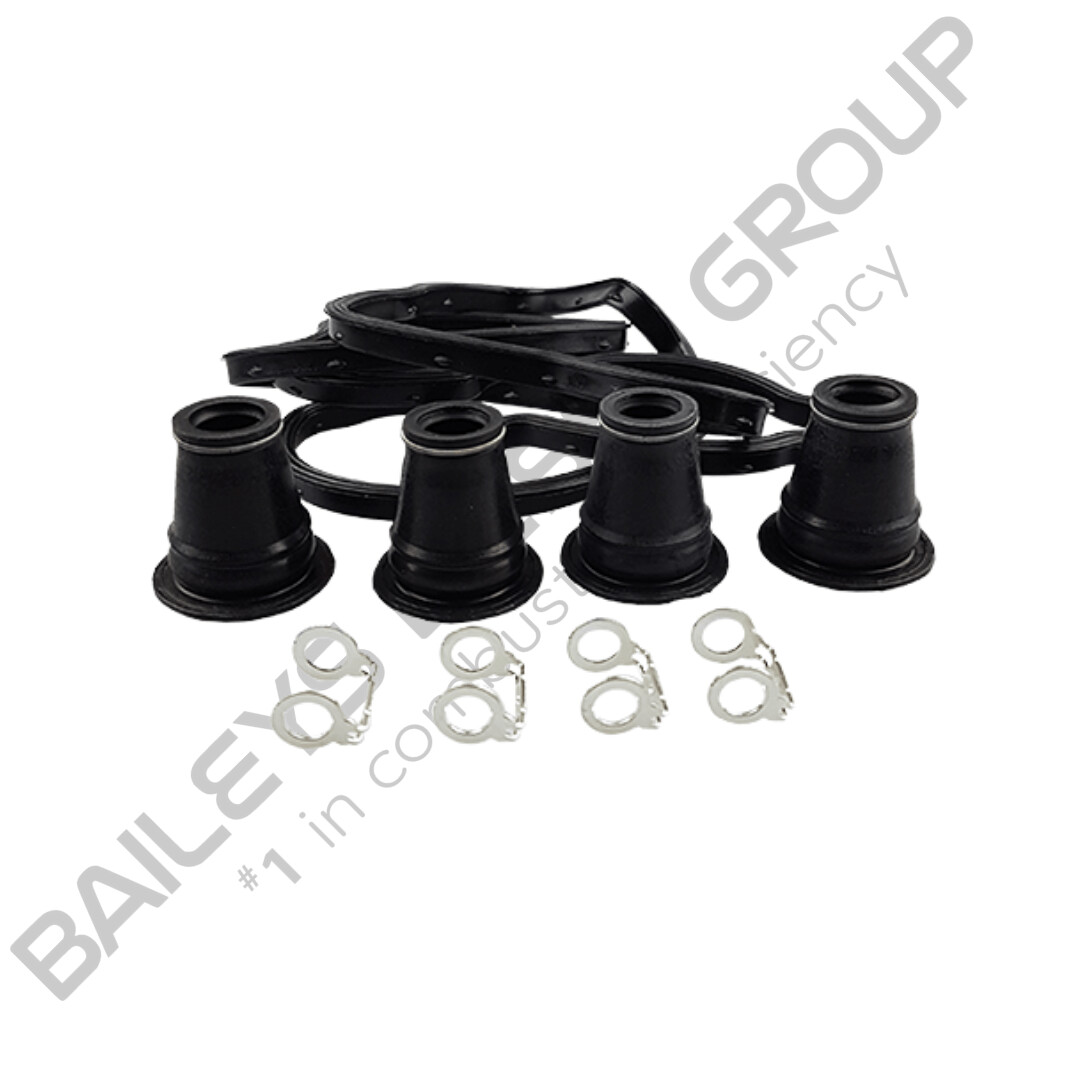
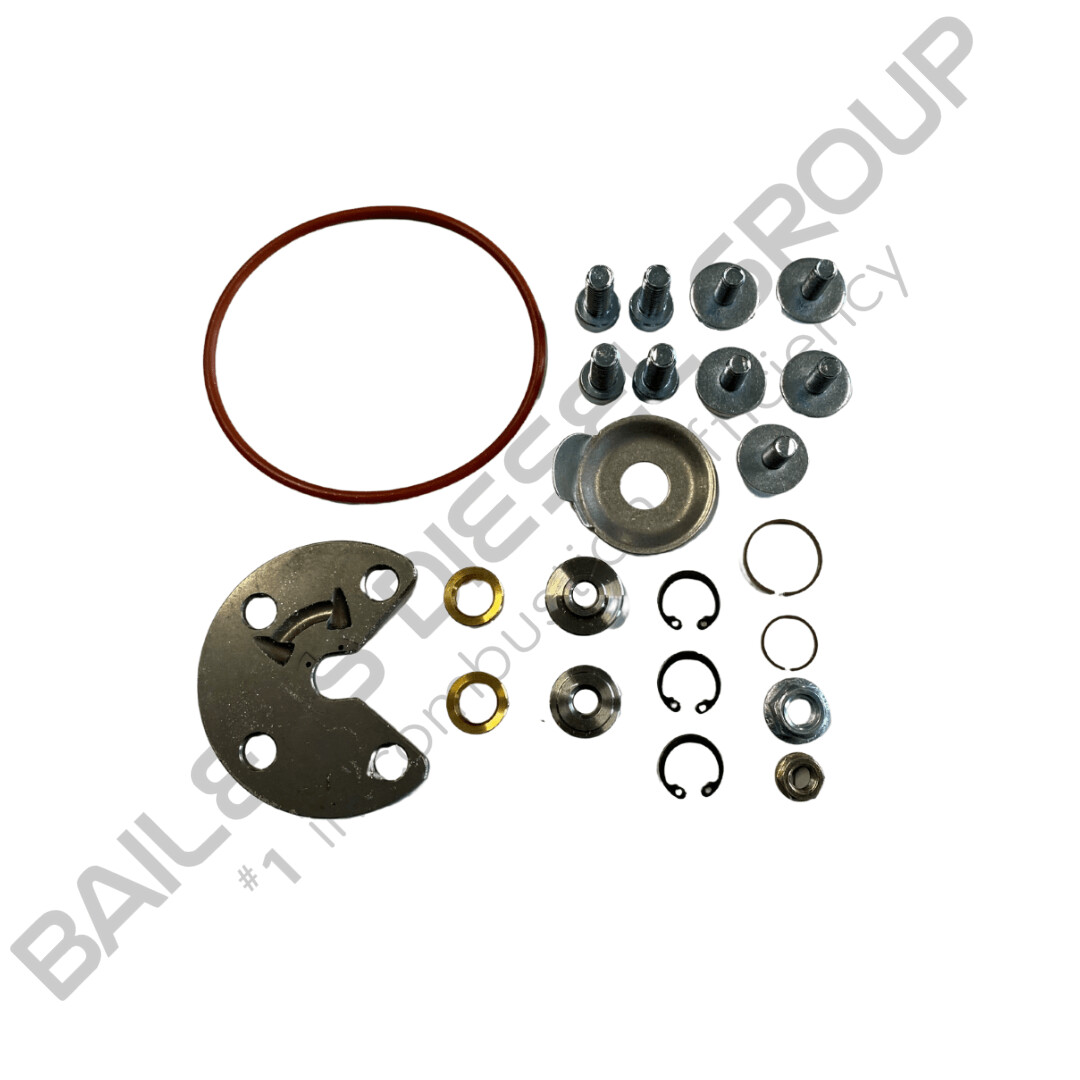
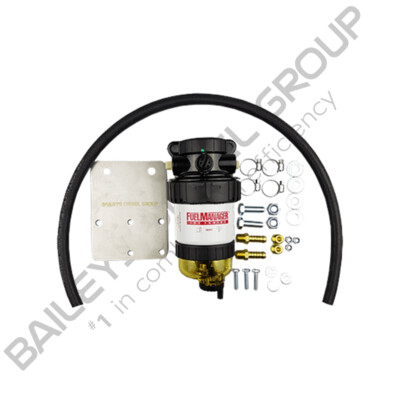
A suction control valve replacement is most effective when the rest of the fuel system is in good order. Bailey's stocks the supporting components to go alongside your SCV replacement, including fuel pumps, injectors, fitting kits, and filtration accessories. Treat the system, not just the symptom.
Changing Things for Good
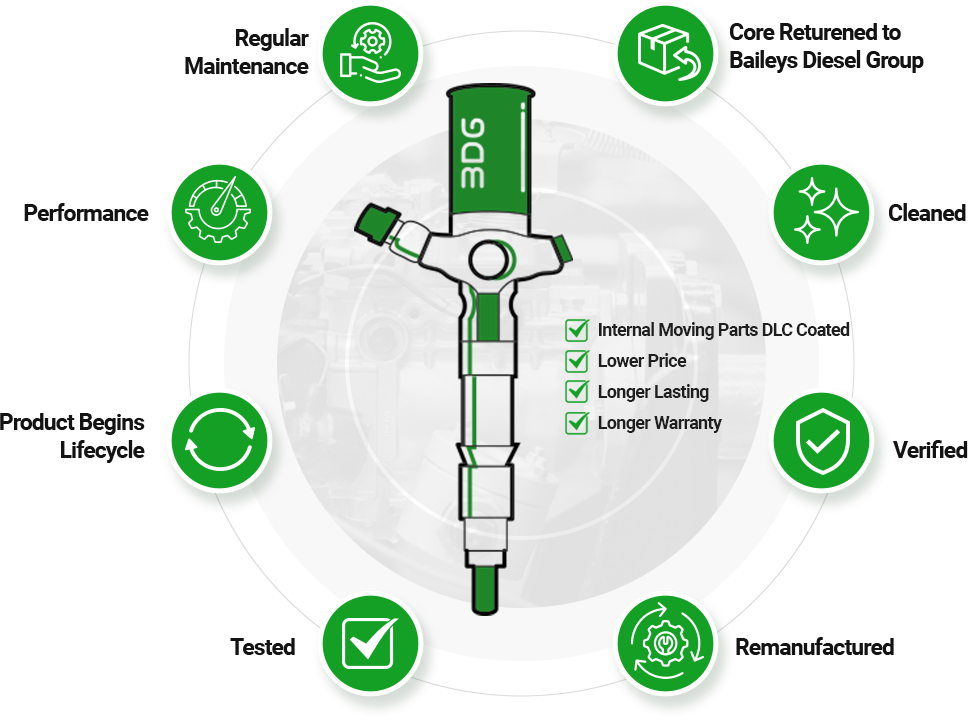
Reduce Emissions, Carbon Dioxide, Nitrous Oxide and Landfill through Bailey's Diesel Injector Recycling and Re-Manufacturing Process
Why Choose Baileys
See What Makes Baileys Diesel Group Different
Broad Coverage Across Makes and Models
Suction control valve failure isn't limited to one brand or engine family. Bailey's has built a range that covers Toyota, Nissan, Mitsubishi, Isuzu, Ford, Mazda, Holden, Hyundai, and Hino applications, so whether you're working on a Hilux, a Triton, or a commercial truck, we're likely to have the part you need.
Correct Parts the First Time
A suction control valve that doesn't match your pump's specifications will either fail to seat correctly or regulate fuel pressure incorrectly, neither of which solves the original problem. Our team is trained to cross-reference part numbers against your vehicle's build details before anything is ordered, saving you the time and cost of a wrong part.
Decades of Common Rail Experience
Common rail fuel systems operate under pressures that leave very little tolerance for components that don't perform to spec. Our team has spent decades working with these systems across a wide range of vehicles, and that experience informs every recommendation we make.
Support for Workshops and Trade Customers
Suction control valve replacement is a frequent job in any busy diesel workshop. Bailey's works directly with trade customers and workshops across Australia, offering technical support, compatibility checks, and efficient ordering to keep your workshop moving without unnecessary delays.
Quality Components That Meet OEM Standards
Every suction control valve we stock meets or exceeds the original manufacturer's specification. You're not getting a borderline replacement that'll get you through a few months. You're getting a component built to perform to the same standard as the one it's replacing.
Frequently Asked Questions
What does a suction control valve do?
The suction control valve (SCV), sometimes called a fuel pressure control valve, is a key component fitted to the inlet side of the high pressure fuel pump. Its job is to regulate how much fuel the pump draws in on each stroke, which in turn controls the pressure delivered to the common rail. The engine management system sends a signal to the SCV to open or close depending on how much fuel pressure is required at any given moment, keeping the engine running smoothly across all load conditions. When the SCV is working correctly, rail pressure is precise and responsive. When it starts to fail, the pump loses that control and the engine behaviour reflects it.
What are the symptoms of a failing suction control valve?
Suction control valve symptoms can range from subtle to severe depending on how far the fault has progressed. The most common symptoms of a faulty suction control valve are hard starting, rough idling, stalling, poor performance, hesitation during acceleration, and excessive black smoke from the exhaust. These are also the common symptoms that diesel owners and technicians notice first when the fuel system is struggling to maintain correct rail pressure. A failing SCV causes erratic rail pressure in the fuel system, which the engine reads as a lean condition.
Fluctuating engine behaviour, decreased fuel efficiency, and the vehicle entering limp mode are also common indicators of SCV trouble. This can trigger warning lights and fault codes related to fuel rail pressure or pump performance. In some cases, a worn or sticking SCV causes the pump to overfuel rather than underfuel, leading to high rail pressure codes instead. Both conditions point back to the same component.
How do I know if my suction control valve needs replacing or just cleaning?
In some cases, particularly where the SCV has become contaminated with debris or fuel varnish, a thorough clean can restore normal operation. Testing a suction control valve properly involves monitoring its functionality under operating conditions and checking for irregularities in fuel delivery and rail pressure response. You can also connect a multimeter to measure resistance across the SCV terminals; a resistance reading outside the manufacturer's specification is a reliable indicator of internal failure. If problems persist after a thorough clean, or testing reveals the SCV has failed to hold correct pressure, it's time for a new one.
On higher-kilometre engines where the valve's internal components have physically worn, cleaning provides only a temporary improvement at best. Replacement is the correct course of action in those cases, and if you're not confident working on your engine, it's always best to seek professional advice or professional help for testing or replacing the suction control valve. Bailey's recommends erring toward replacement on any engine above 150,000 kilometres where the SCV hasn't previously been serviced.
Can a faulty suction control valve damage the fuel pump?
Yes, it can. Several factors determine how quickly a malfunctioning SCV causes broader damage, but the direction of failure matters. When an SCV sticks open, the pump is forced to work harder to build and maintain rail pressure, which accelerates wear on the pump's internal components. When the valve closes entirely and restricts fuel flow, the resulting pressure imbalance can cause overheating and direct damage to the injection pump's internal components. Over time, an uncorrected SCV fault can contribute to premature pump failure.
Addressing a suction control valve issue promptly is considerably cheaper than replacing the high pressure pump that follows from leaving it untreated. If you've already noticed symptoms and the vehicle has been driven in that condition for a while, it's worth having the pump inspected at the same time as the SCV replacement.
Are suction control valves universal or vehicle-specific?
Vehicle-specific. While some suction control valves share part numbers across related platforms, the valve must be matched to the specific pump fitted to your engine. The SCV's flow characteristics, thread specification, and electrical connector type all vary between applications. Fitting an incorrect SCV can result in incorrect rail pressure regulation, which may not trigger an immediate fault but will affect performance and can cause longer-term damage. Always cross-reference your engine code and build year before ordering.
Should I replace the suction control valve as part of a fuel pump replacement?
Yes. If the high pressure pump is being replaced due to wear or failure, the suction control valve should always be replaced at the same time. The SCV is subject to the same operating conditions as the pump and, on a high-kilometre engine, is likely at a similar wear level. Fitting a new pump alongside a worn SCV undermines the work and significantly shortens the new pump's service life. It's a small additional cost relative to the overall job and avoids the need to revisit the same work in the near future.
What else should I check when replacing a suction control valve?
The fuel filter is the most important thing to address at the same time. A contaminated or overdue filter is one of the leading causes of SCV wear, as dirty fuel accelerates internal erosion of the valve's precision components. If the filter hasn't been changed recently, it should be replaced before the new SCV goes in. Regular maintenance and inspection of the suction control valve can significantly extend its lifespan and prevent issues from developing in the first place, so factoring SCV condition into your scheduled diesel servicing is a worthwhile habit. It's also worth inspecting the fuel lines that carry diesel to the injectors for any signs of internal deterioration, particularly on vehicles above 120,000 kilometres, as degraded line material can introduce particles into the fuel system and compromise new components.
Does Bailey's stock suction control valve kits with adaptor plates?
Yes. For Toyota 1KD-FTV applications including the Hilux, Prado, and Hiace, Bailey's stocks suction control valve kits that include the conversion adaptor plate for short-to-long conversions. These kits are a practical solution where the pump has been updated or the replacement valve differs in length from the original fitment. If you're unsure whether you need the kit or the valve alone, contact the Bailey's team with your engine details and we'll point you in the right direction.

Partner with the Leaders in Diesel Efficiency
Enhance performance, reduce emissions, and optimise your diesel system with Bailey's genuine Denso expertise.